
“I haven’t been everywhere, but it’s on my list.” – Susan Sontag
St. Augustine, founded in 1565 by Spanish Colonists, is the oldest continuously inhabited European established settlement in the current United States. Everywhere you go in this seaside town are signs stating the oldest this, or the oldest that….We saw the Oldest House, The Oldest Jail, the Oldest School House…on and on and on. We had been in Orlando attending a conference and we had a couple days after the conference so we decided to rent a car and drive up to walk about St. Augustine.
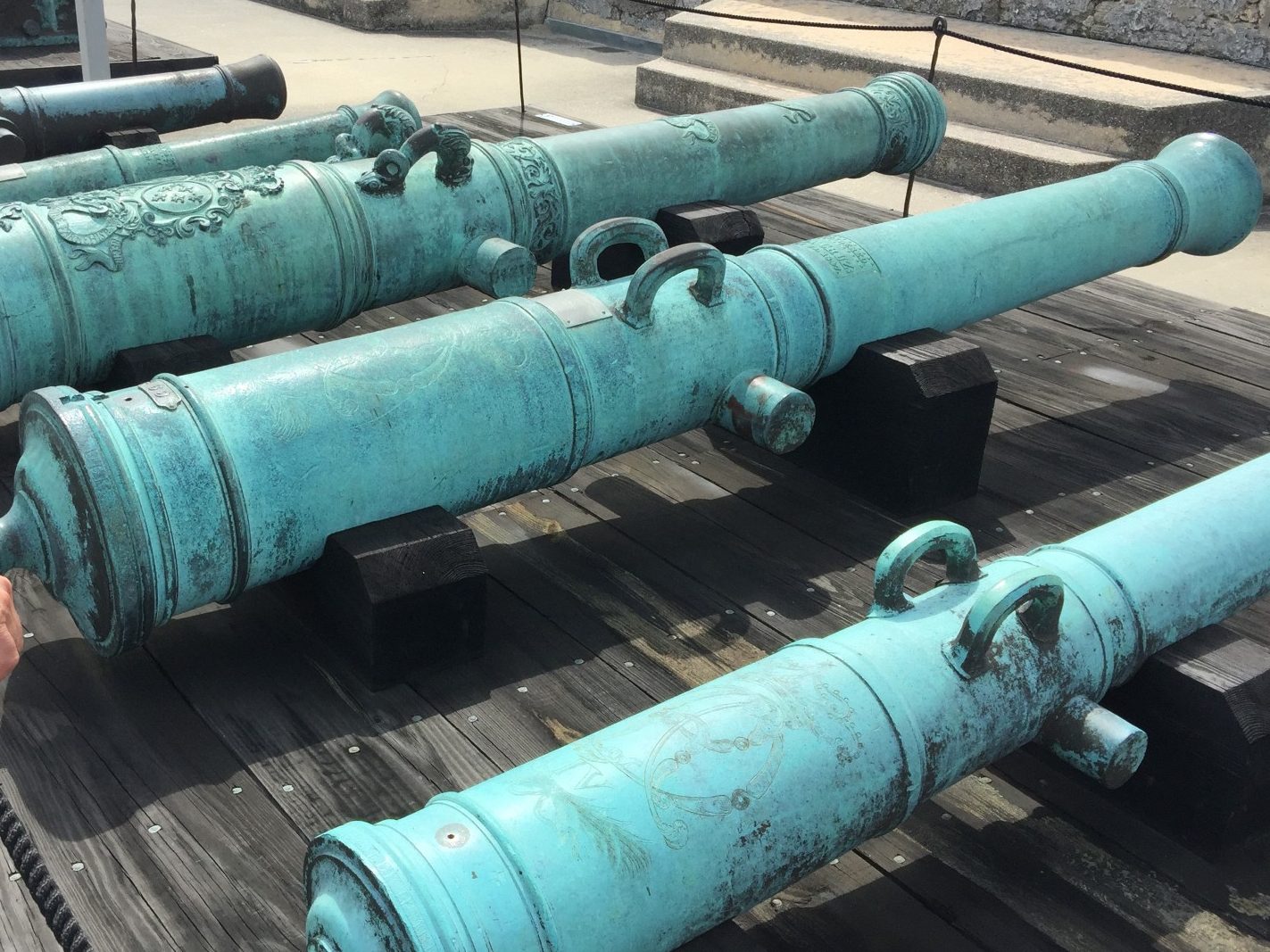
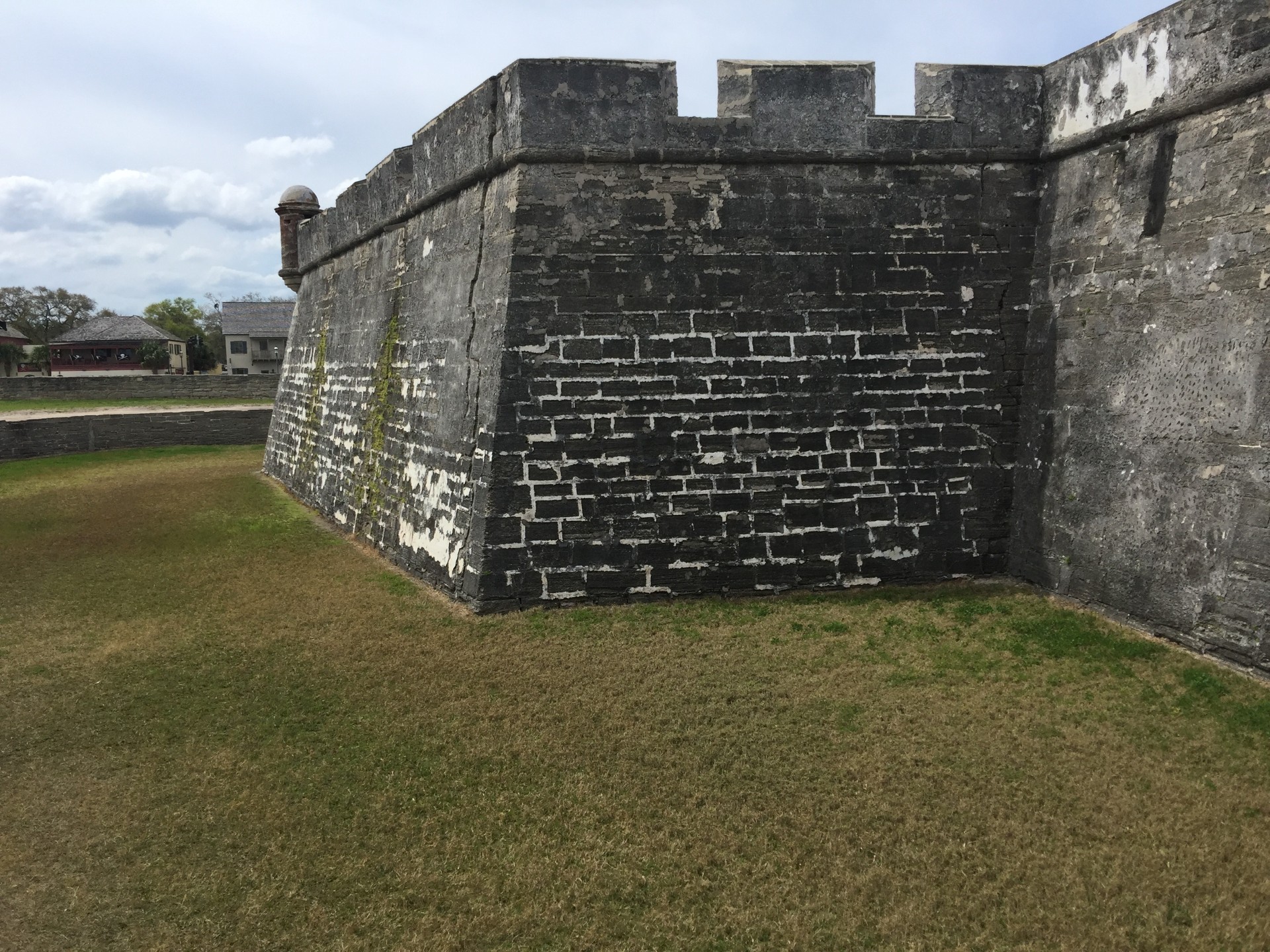
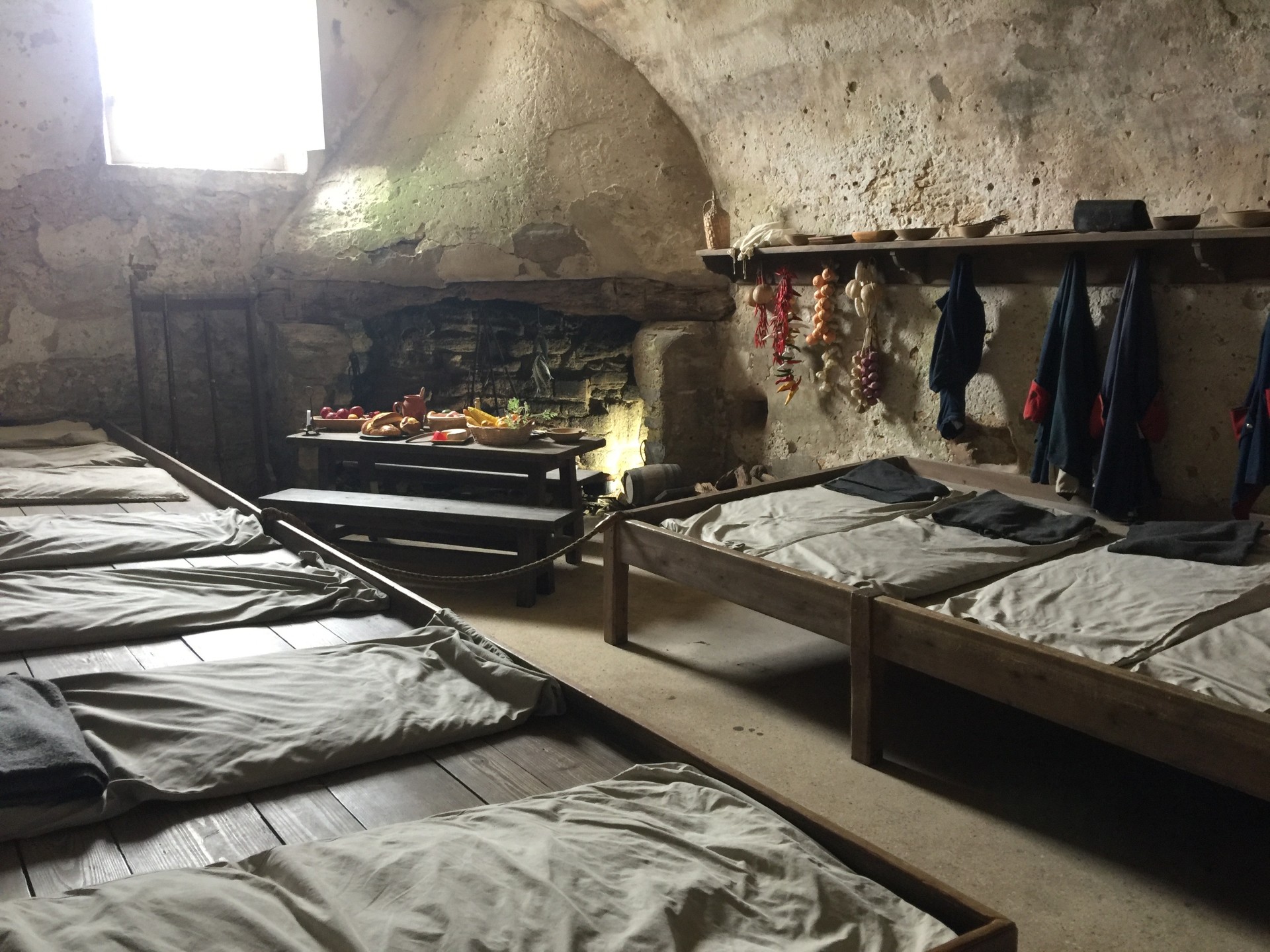
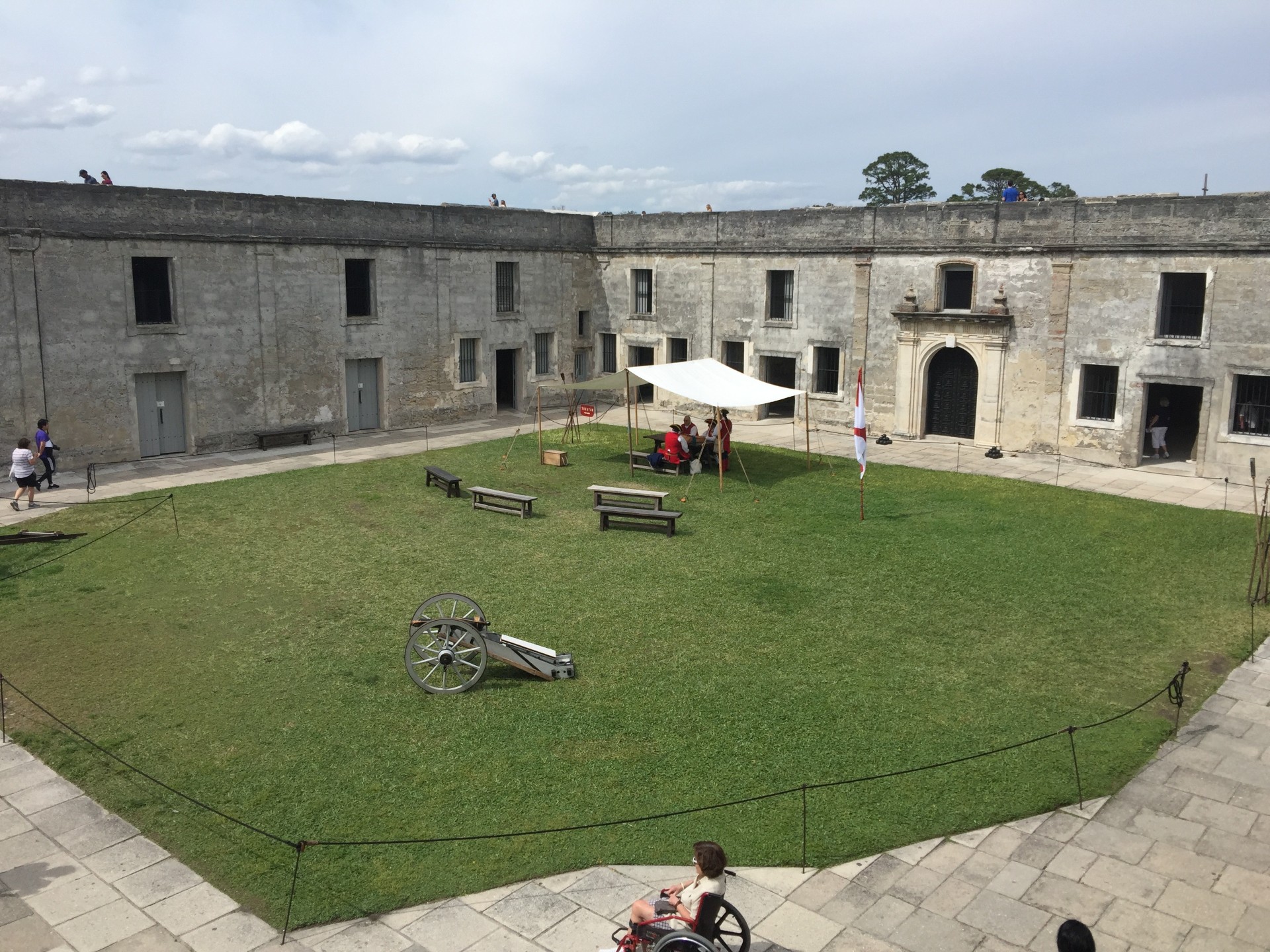
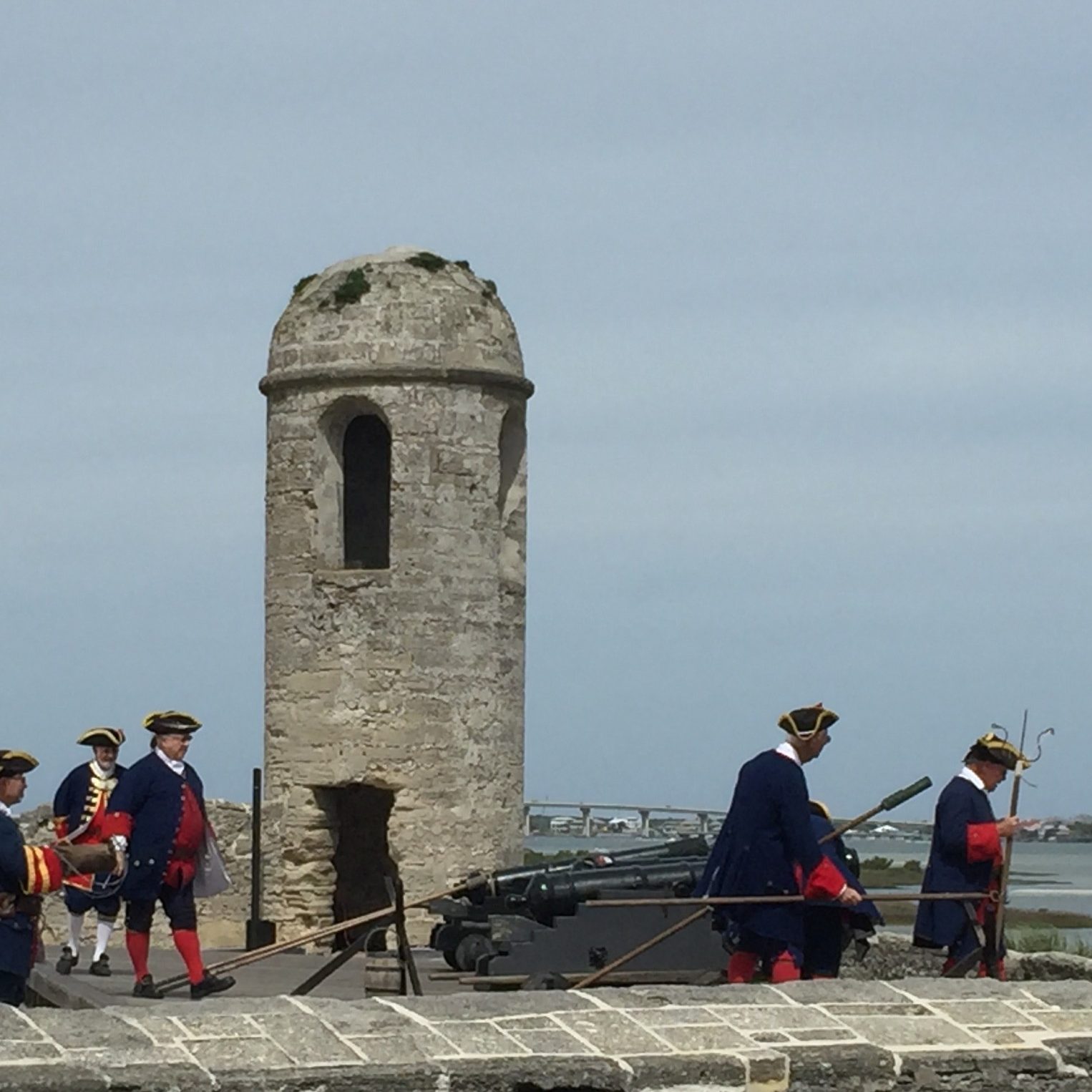
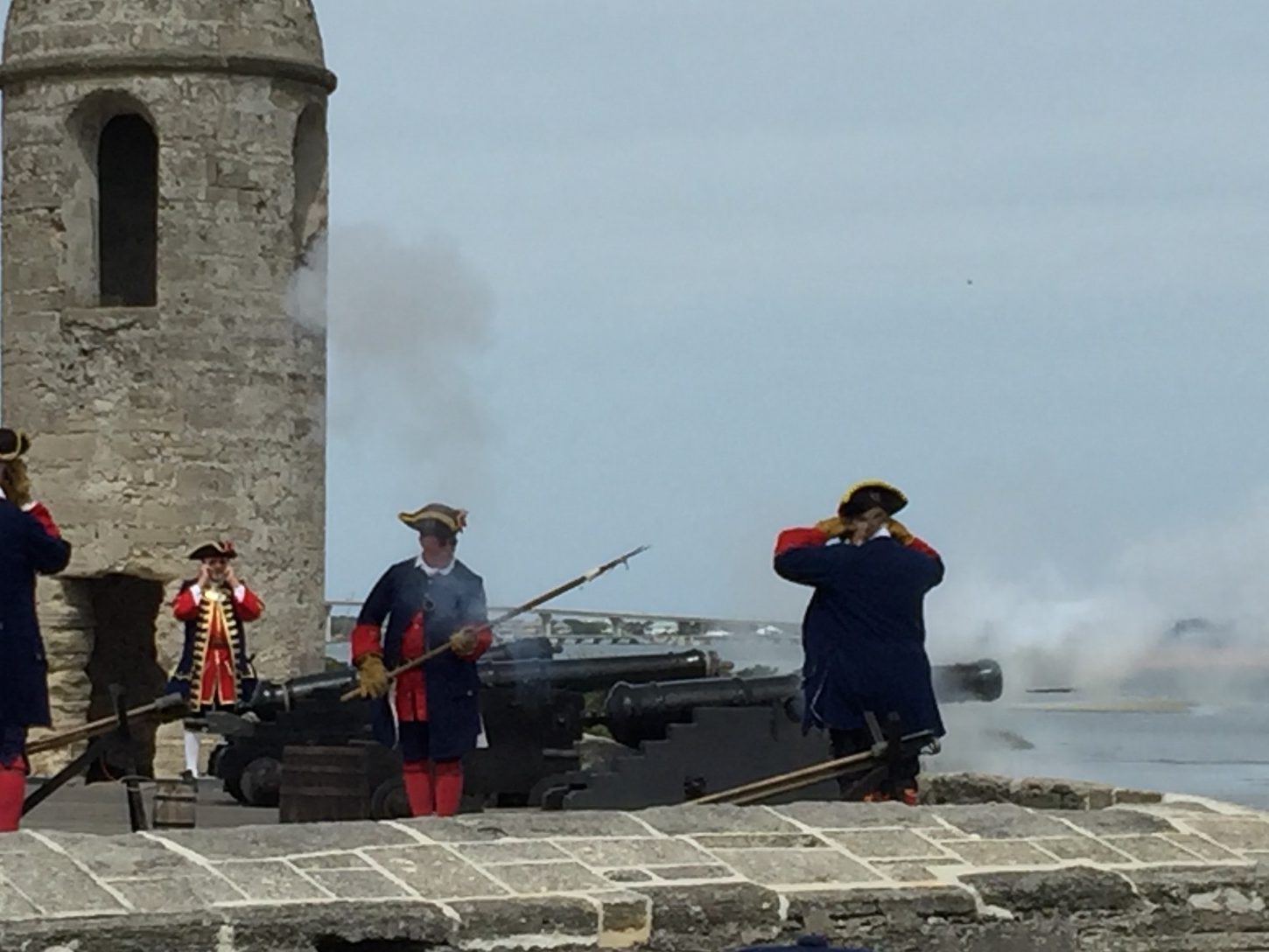
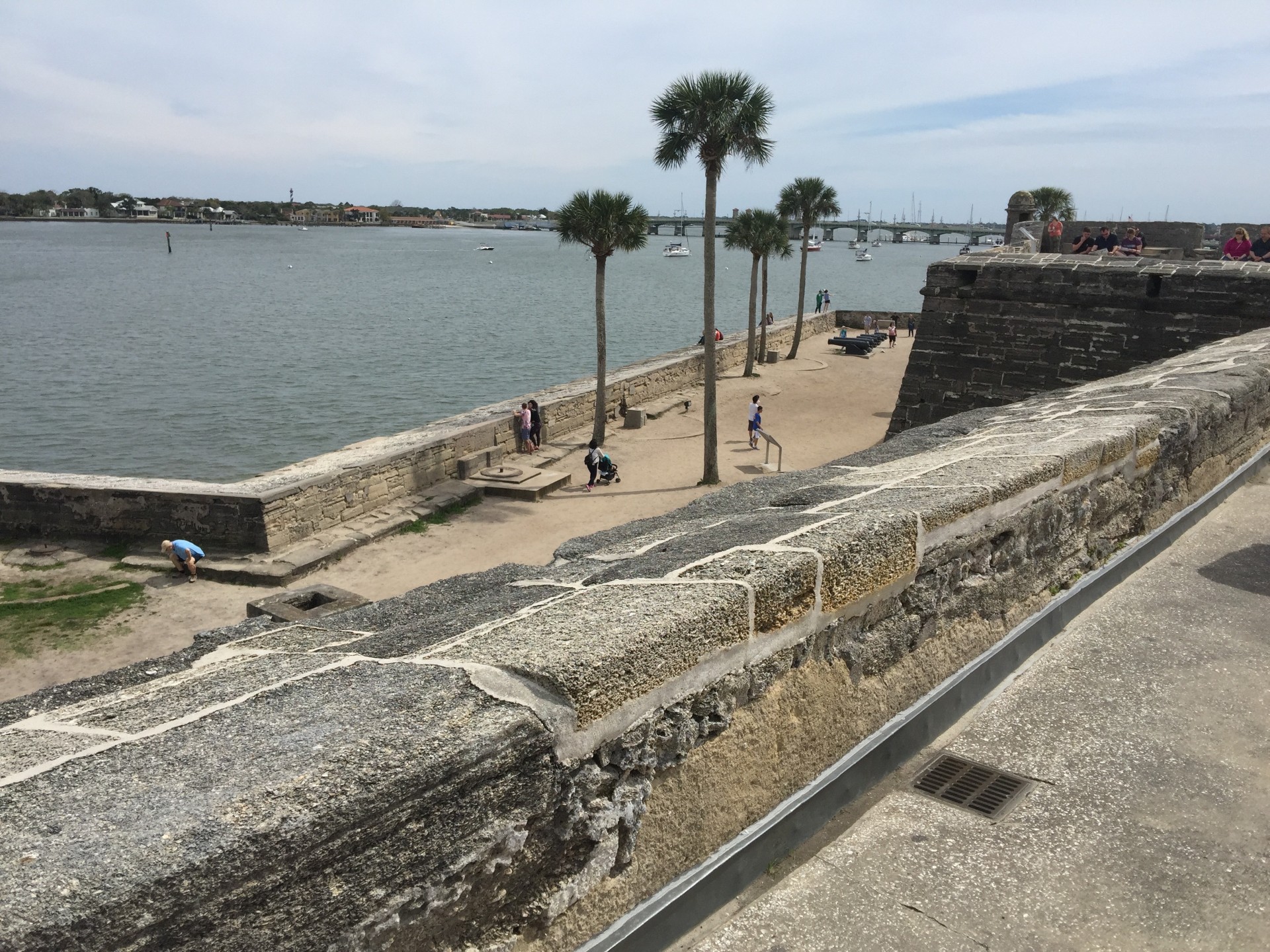
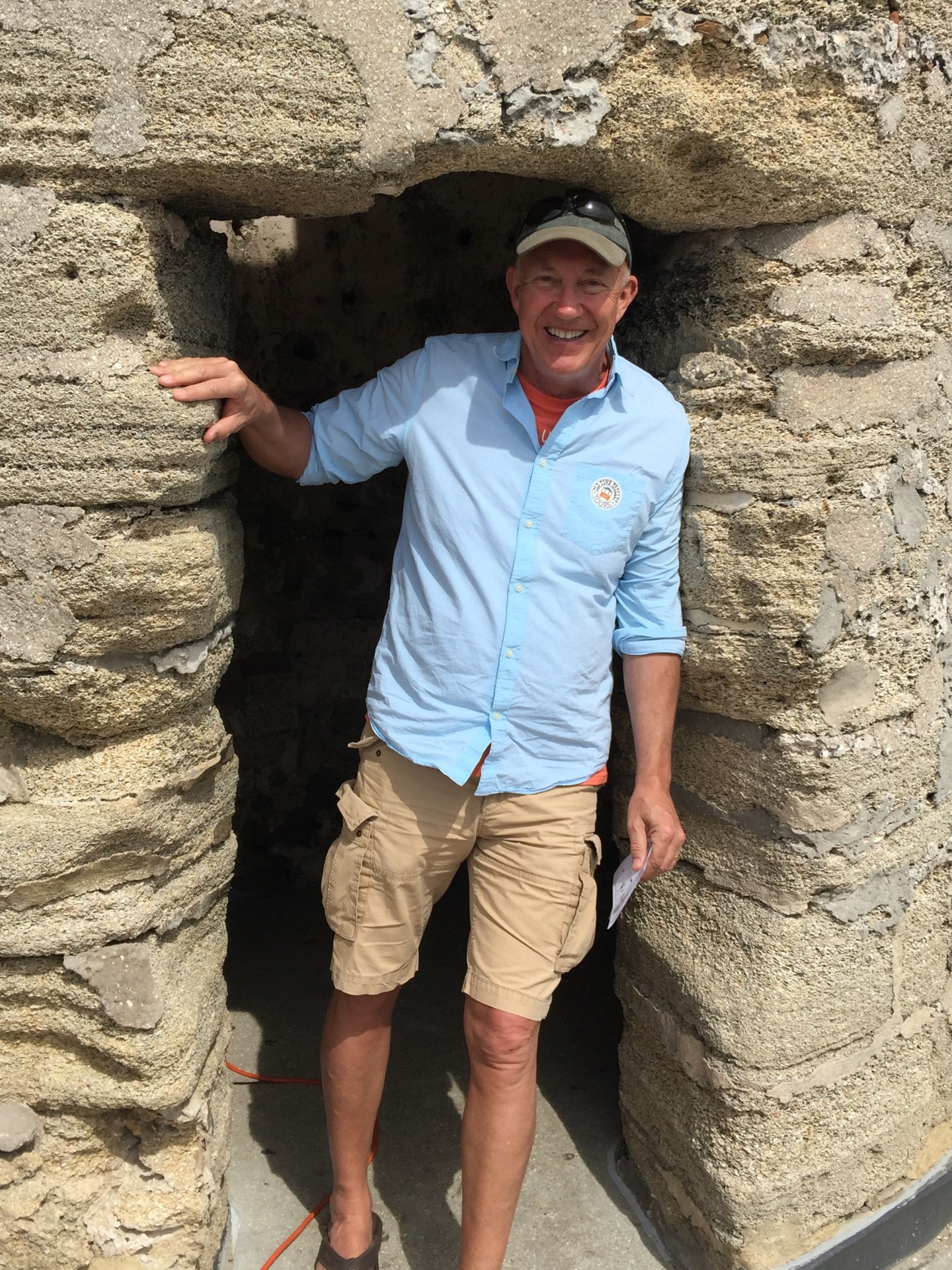
We parked at one end of town and bought tickets for one of those hop-on, hop-off buses, and away we went. One of our favorite stops was the old fort – Castillo de San Marcos. Of course, it is the oldest masonry fort in the nation and the oldest structure in all of St. Augustine. The Fort was completed in 1695, came under fire for the first time in 1702 from British Forces. The Castillo was used as a military prison during the Revolutionary War, and at one time it held three signers of the Declaration of Independence within its walls. It is in remarkable condition and you can wander all about. Everyday, starting at 10:30 and repeating every hour until the last firing at 3:30, volunteers dressed in period costumes fire off one of the cannons.

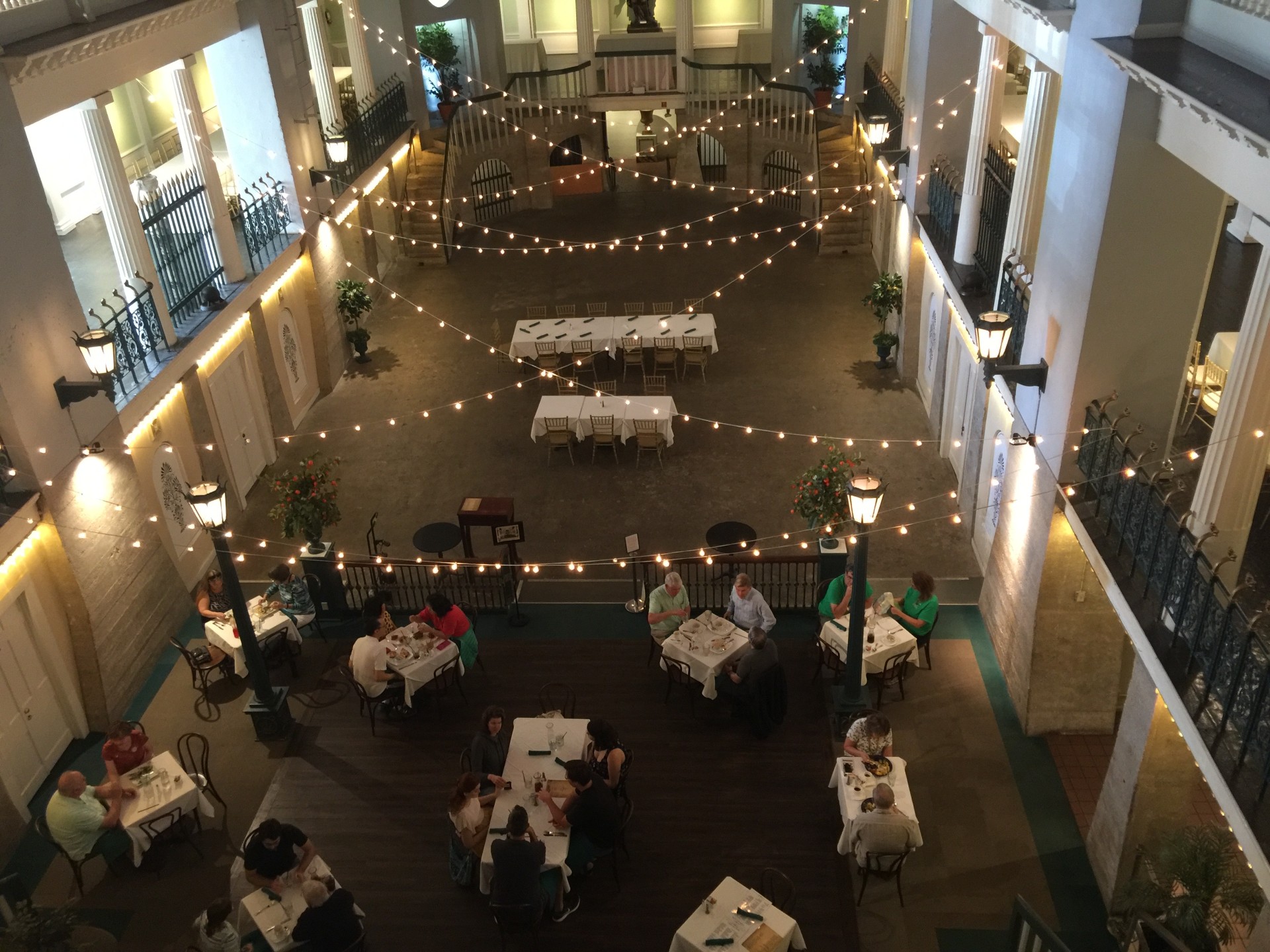
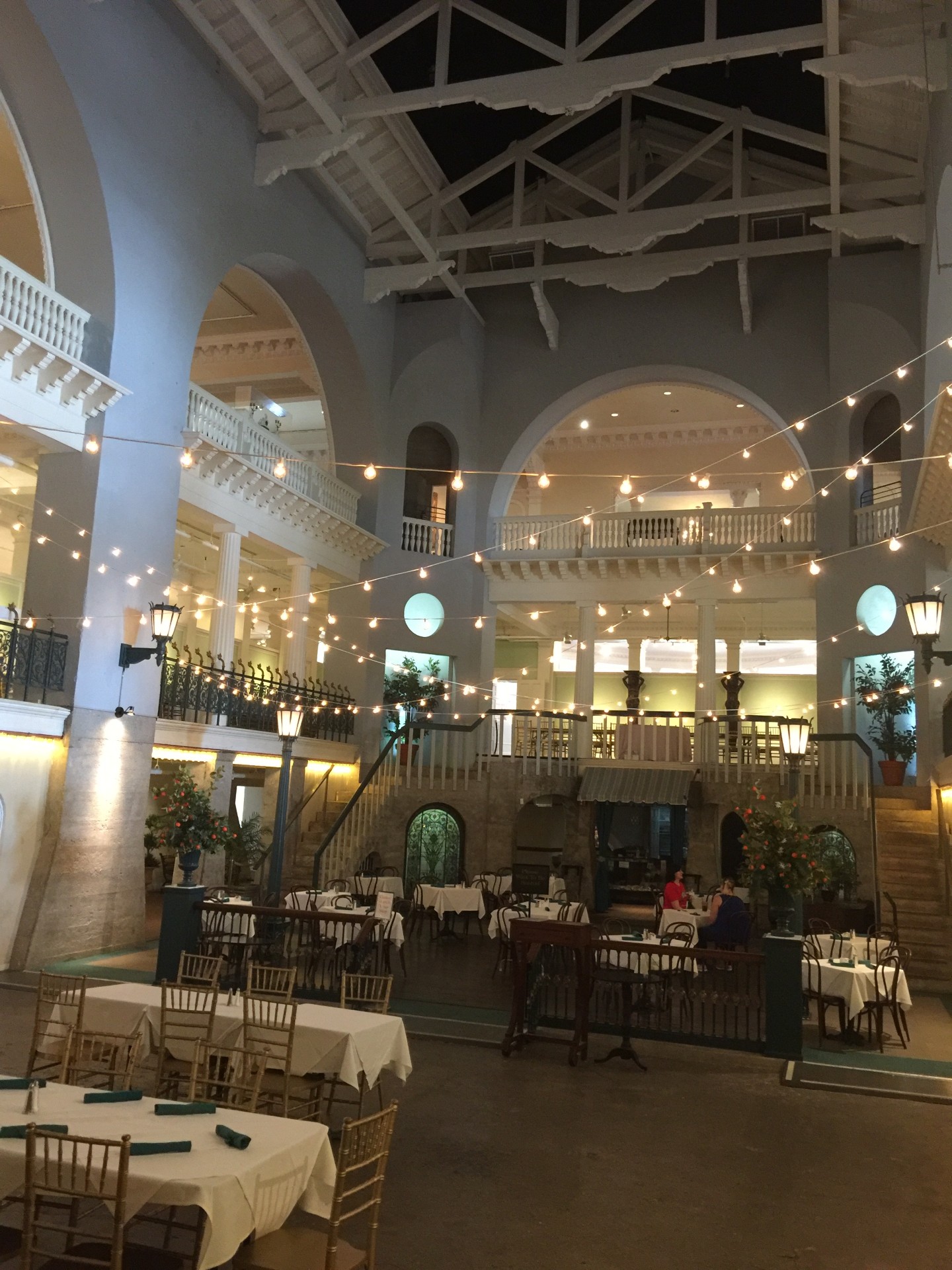
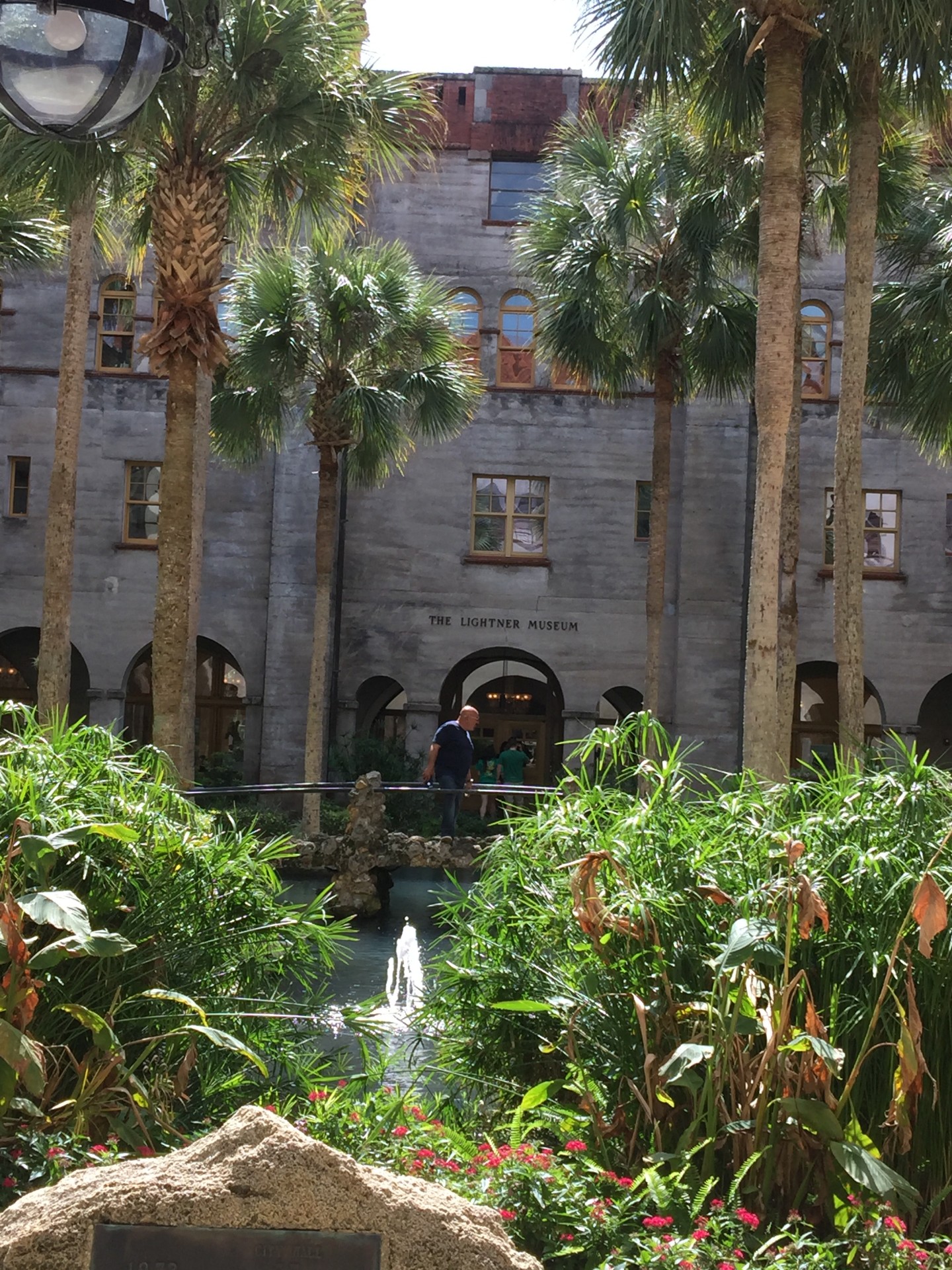
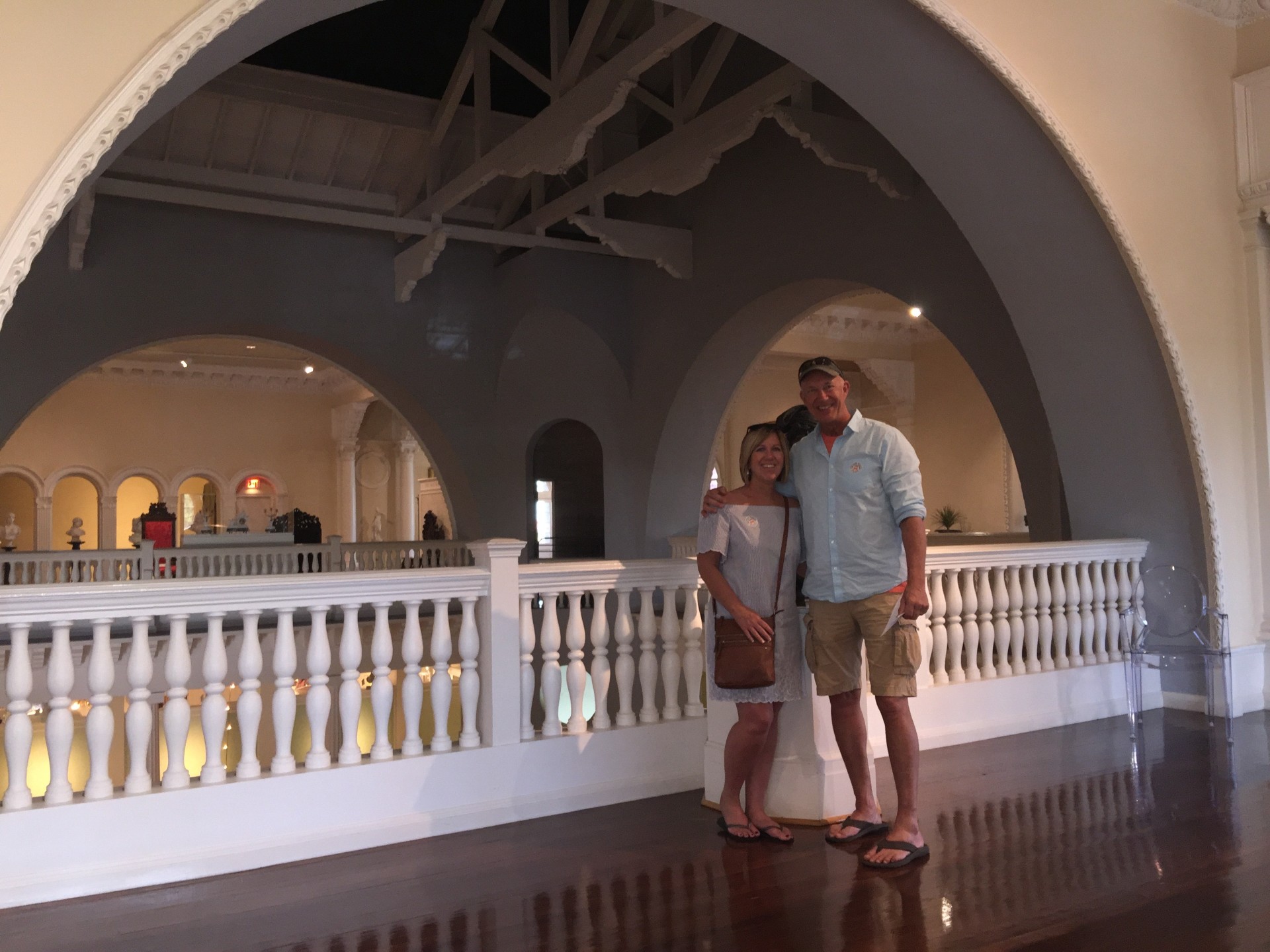
Lightner Museum
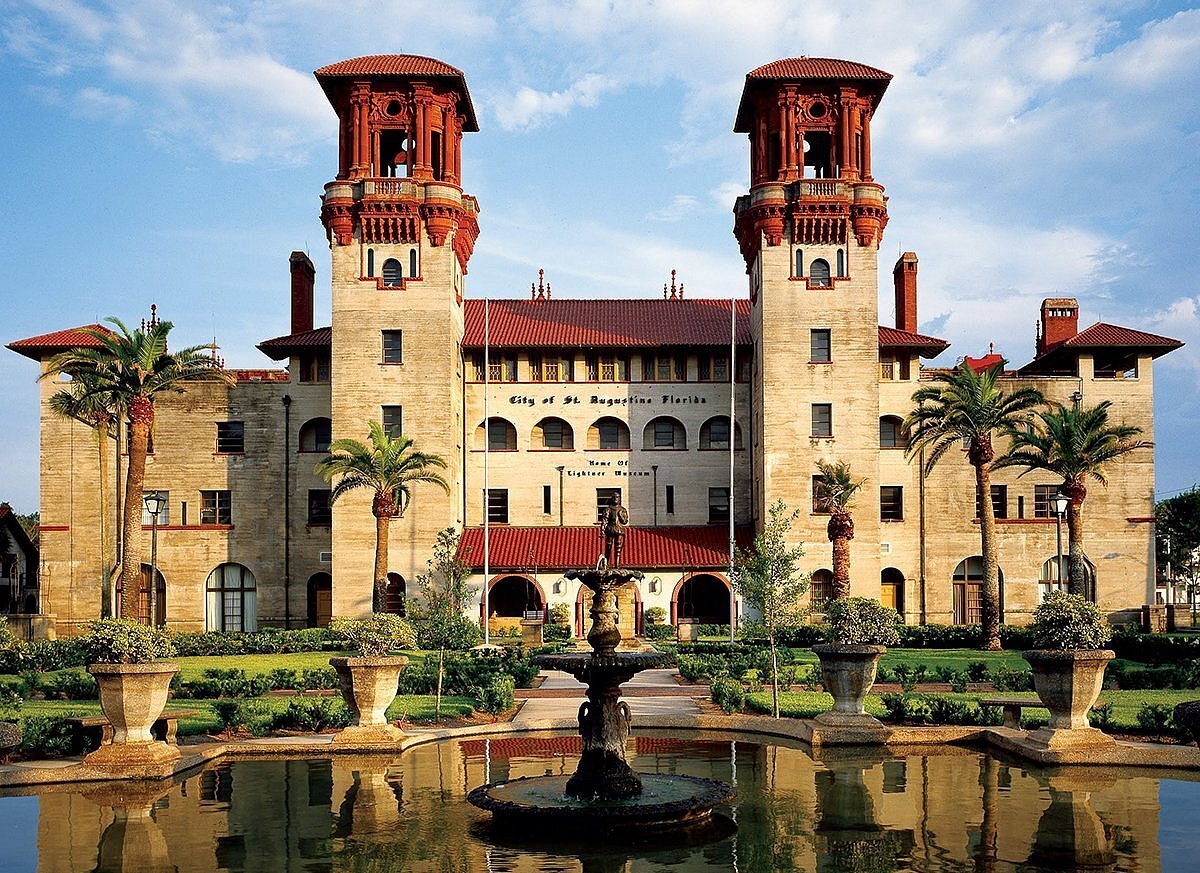
Originally the Alcazar Hotel, built in 1888 by Standard Oil co-founder Henry Flagler, as a destination resort with a casino, a grand ballroom, bowling alley, huge indoor swimming pool (at the time the world’s largest), health facilities (a wellness center), Turkish Baths, and upscale rooms. Outside were tennis courts and croquet lawns. The Great Depression and the Wall Street Crash of 1929 and changing recreation tastes in the public brought an end to this luxury hotel and it closed its doors for good in 1931.
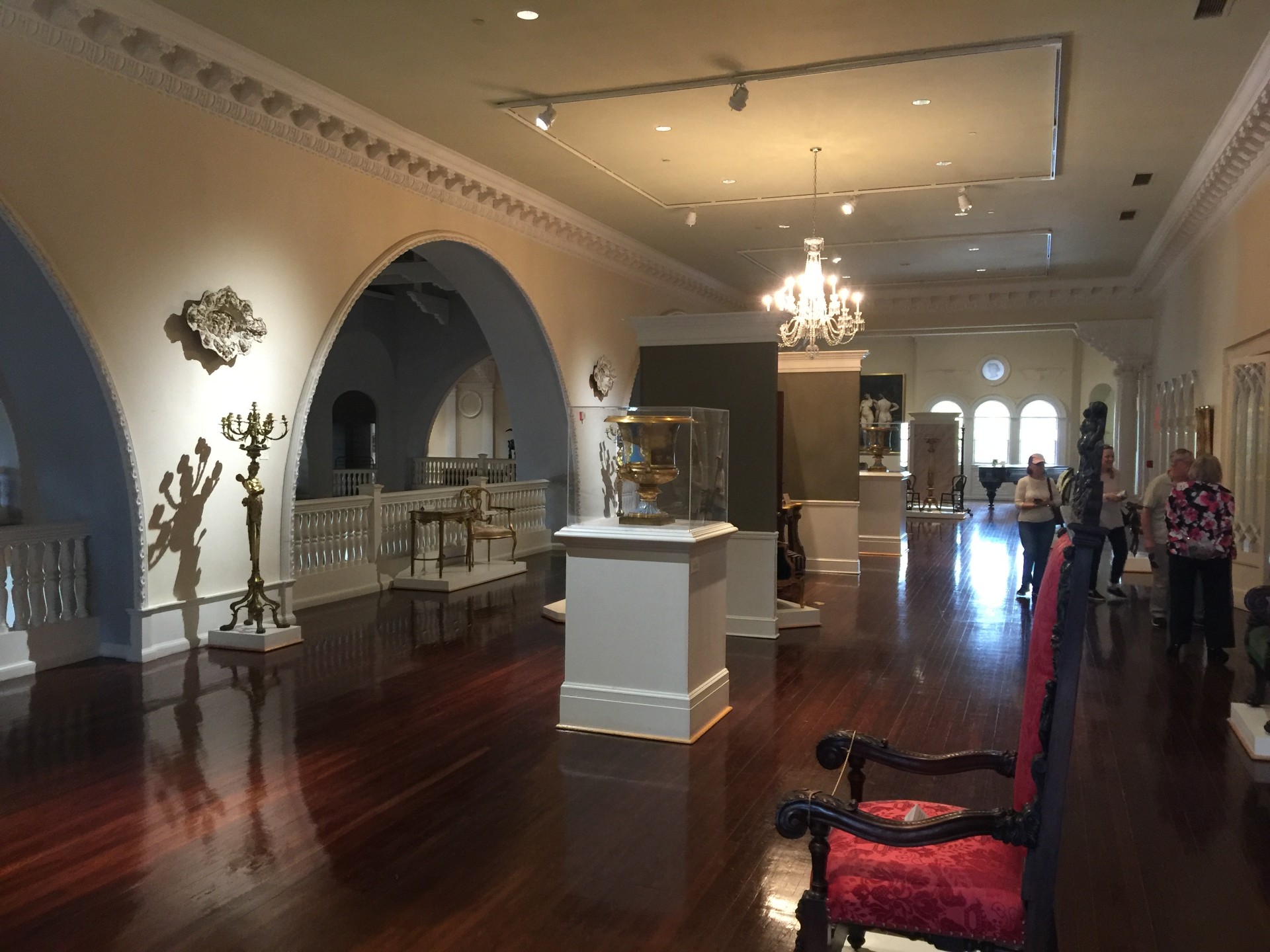
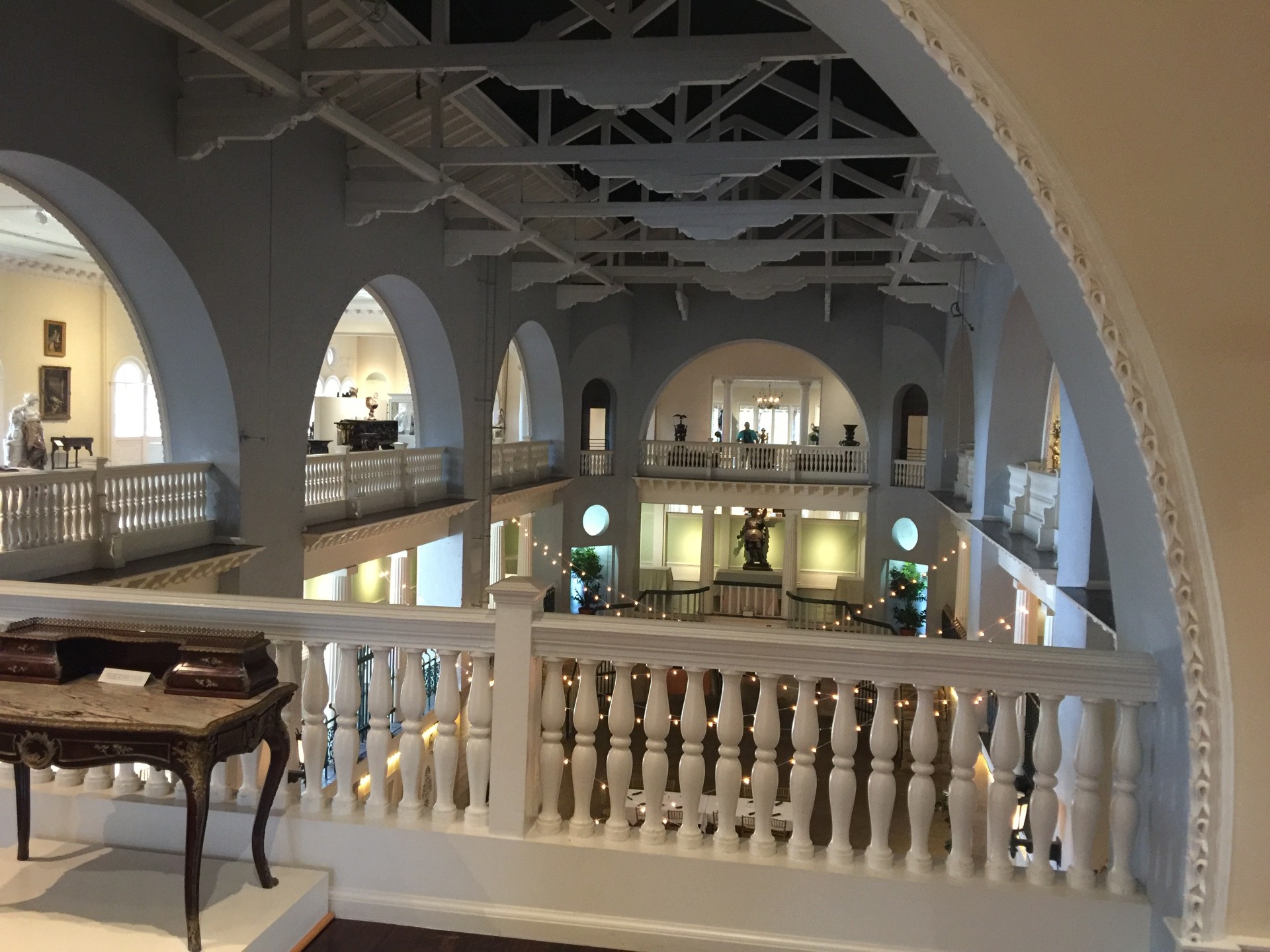
Today the building is home to the Lightner Museum, showcasing the vast, eclectic collections of Chicago publisher Otto Lightner. Otto wanted a museum as a “collection of collections”. Everything is in here, Victorian Art Glass, mechanical musical instruments, a shrunken head, an Egyptian mummy, toaster collections, baseball card collections, and so, so much more. And you can wander around parts of the old hotel, see where the pool was, the grand ballroom. Interesting fact, Gertrude Ederle, the first woman to swim across the English Channel (and held the record for quite a while for the fastest crossing) swam in the indoor pool.



Flagler College
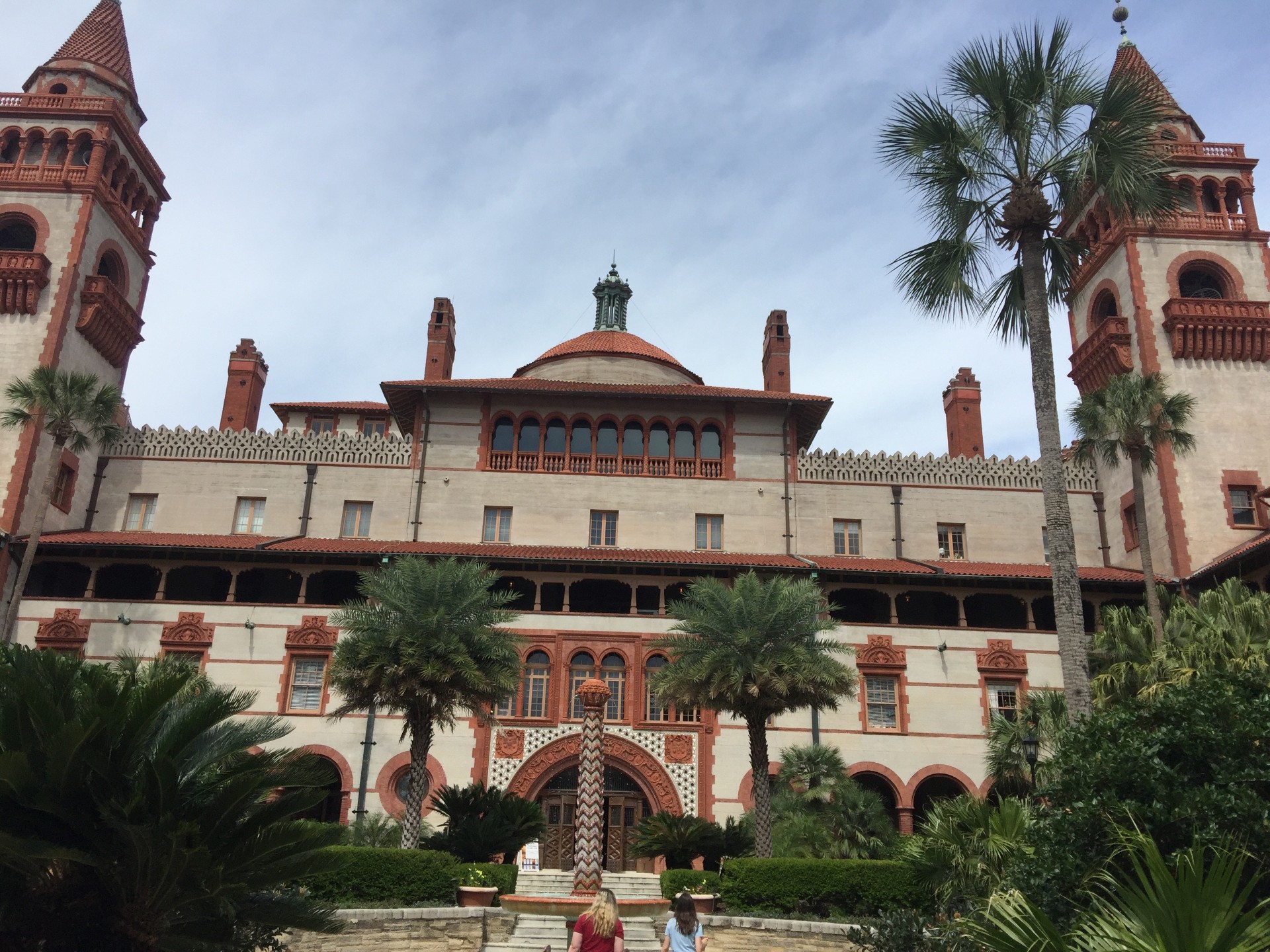
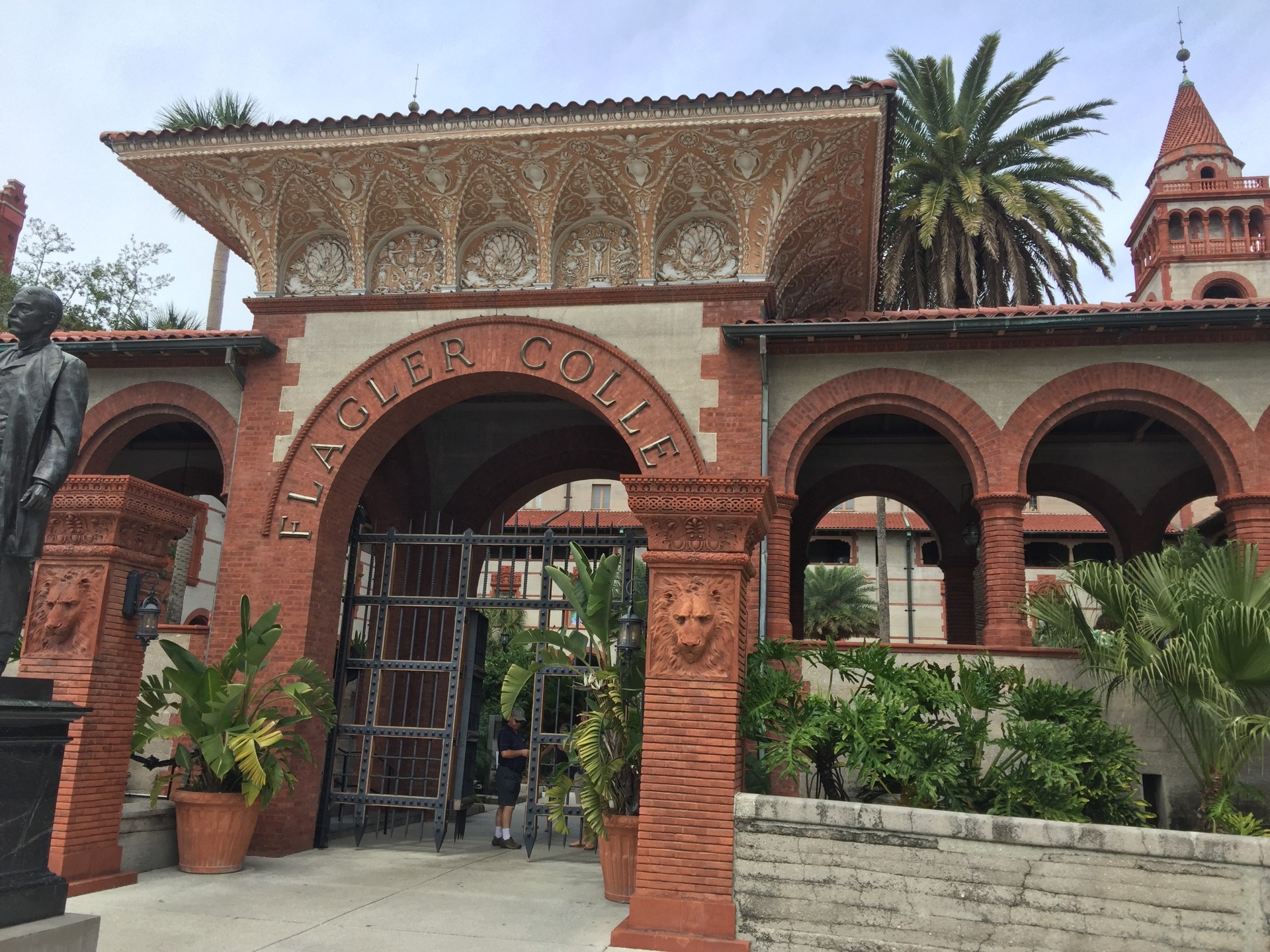
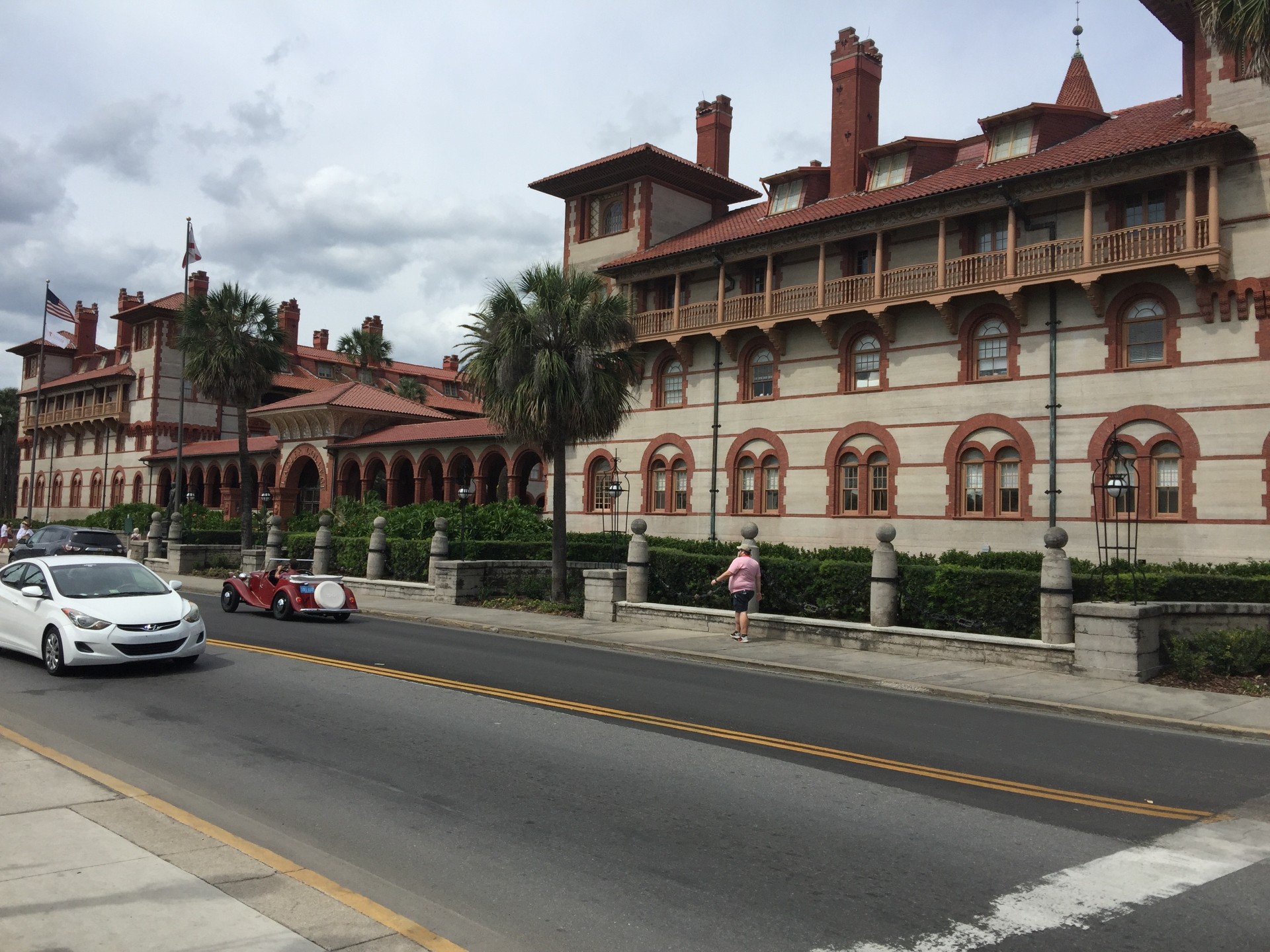
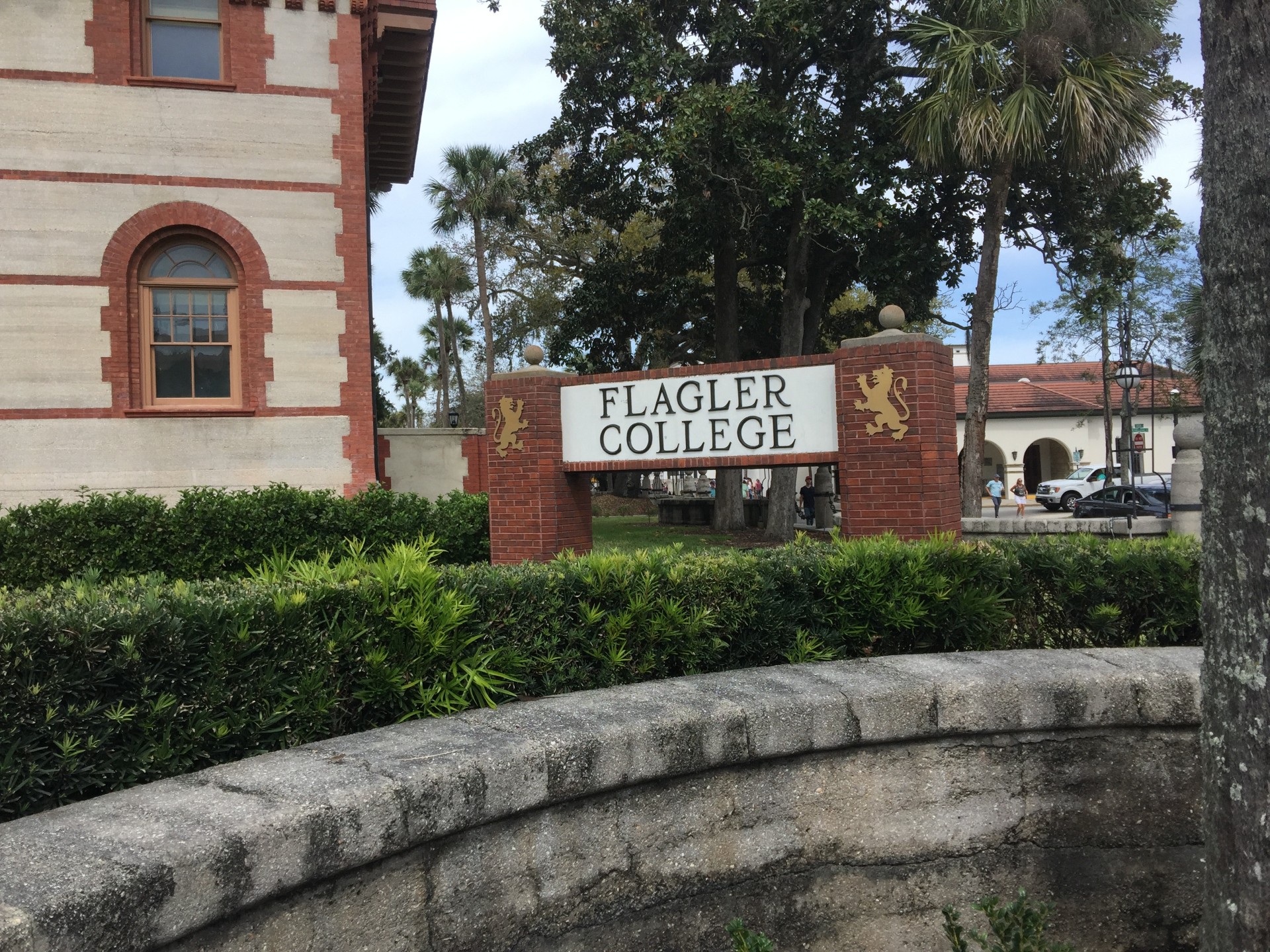
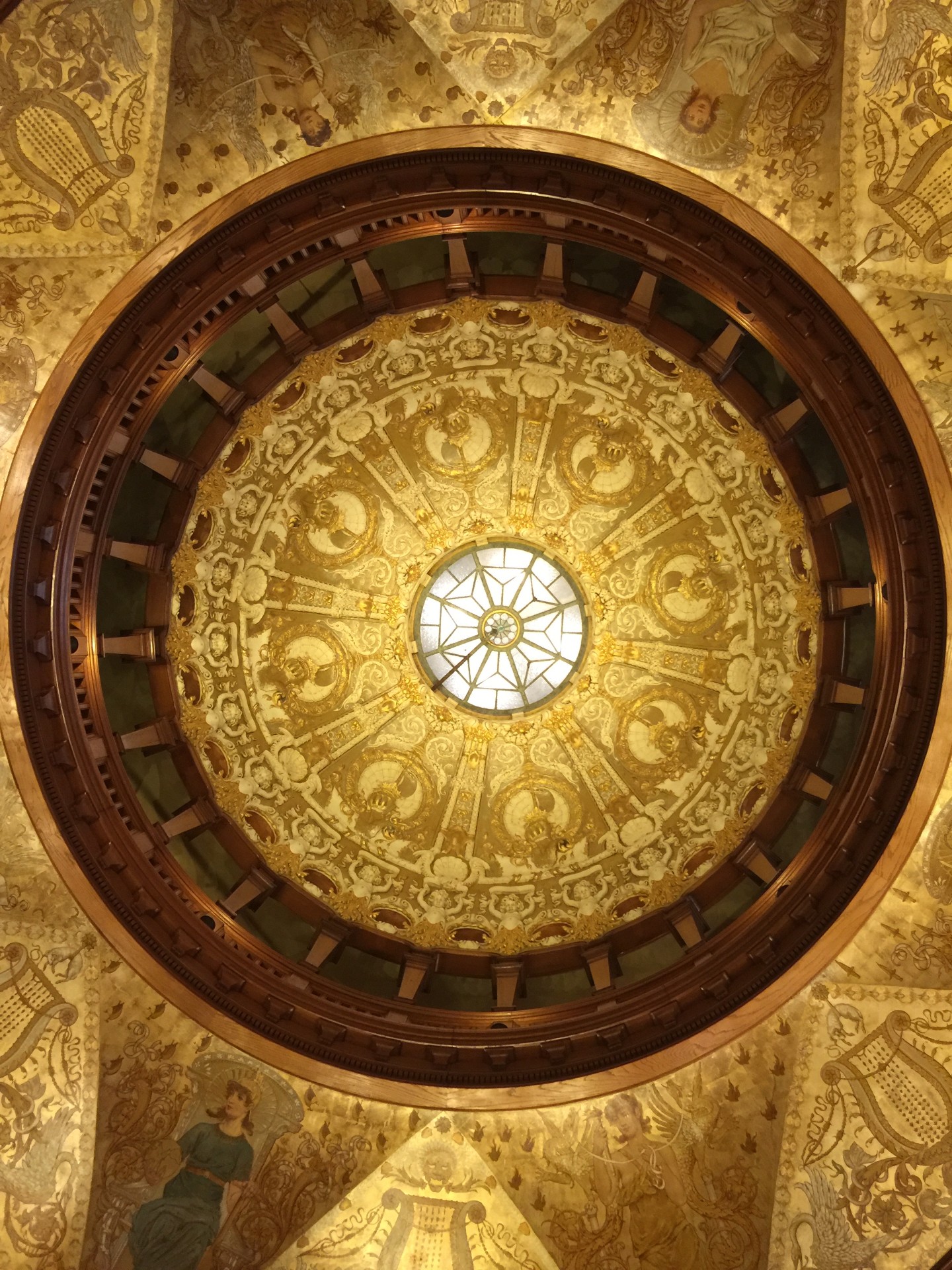
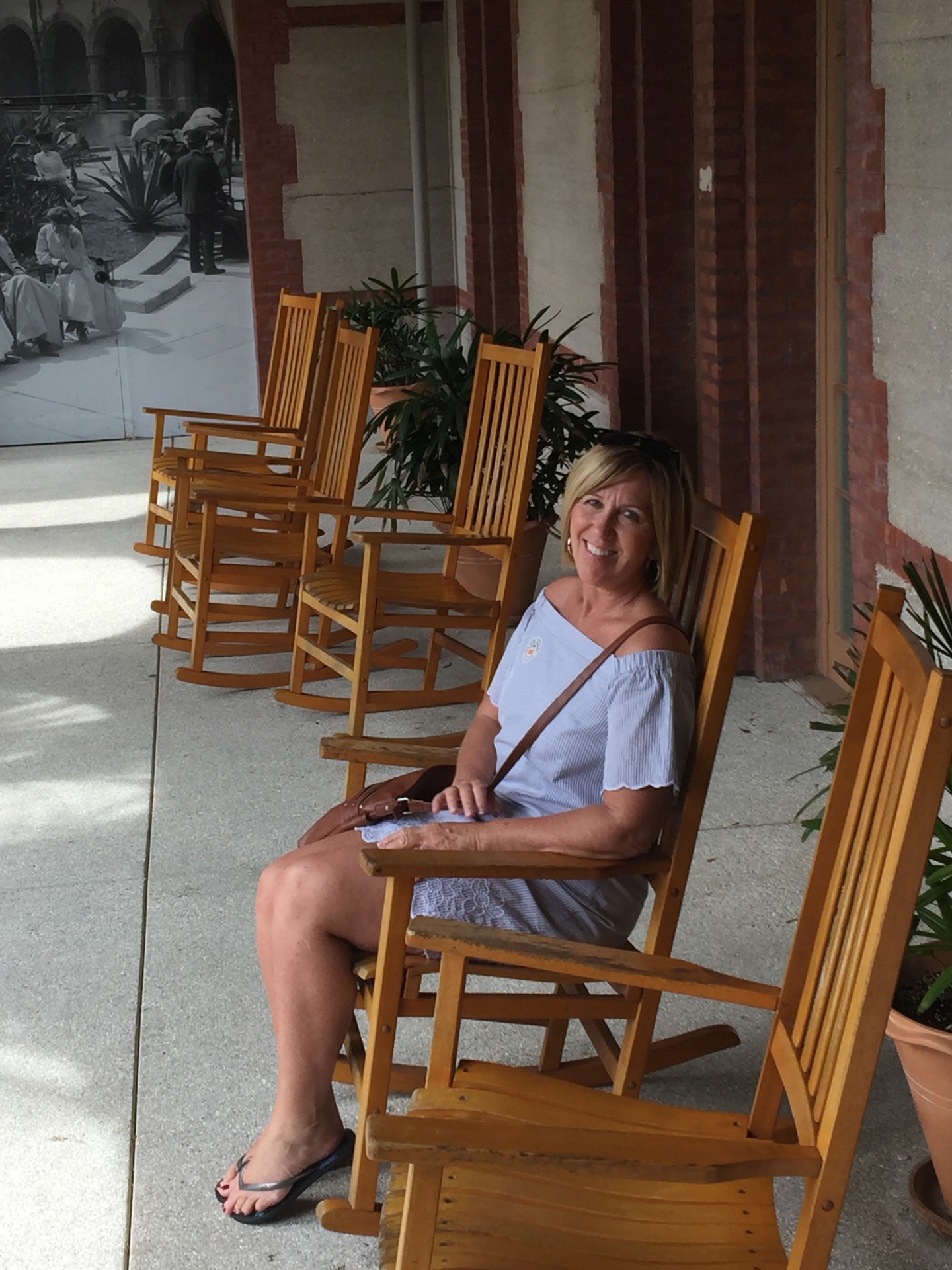
Across the street from the Museum is another hotel built by Henry Flagler, the Ponce de Leon Hotel. This beautiful hotel closed in 1967 and is now part of Flagler College, a private, liberal-arts college founded in 1968. Besides being a dry campus, it is famous for the paranormal activity that is said to occur with some frequency. It is said that the mistress of Mr. Flagler, who lived in a room on the fourth floor, killed herself in a fit of despair. Her spirit has been reported roaming the halls. Mr. Flagler’s wife is also reported haunting the college. Mr. Flagler was able to have her diagnosed as insane, so he could then divorce her to be with his mistress. She spent her life in an insane asylum. And lastly, Mr. Flagler himself is said to traipse around the halls. When he died, his body was put on display in the lobby of the hotel and his spirit now keeps watch over his beloved hotel. We didn’t see any ghosts while we were there, just a beautiful building.


Lincolnville
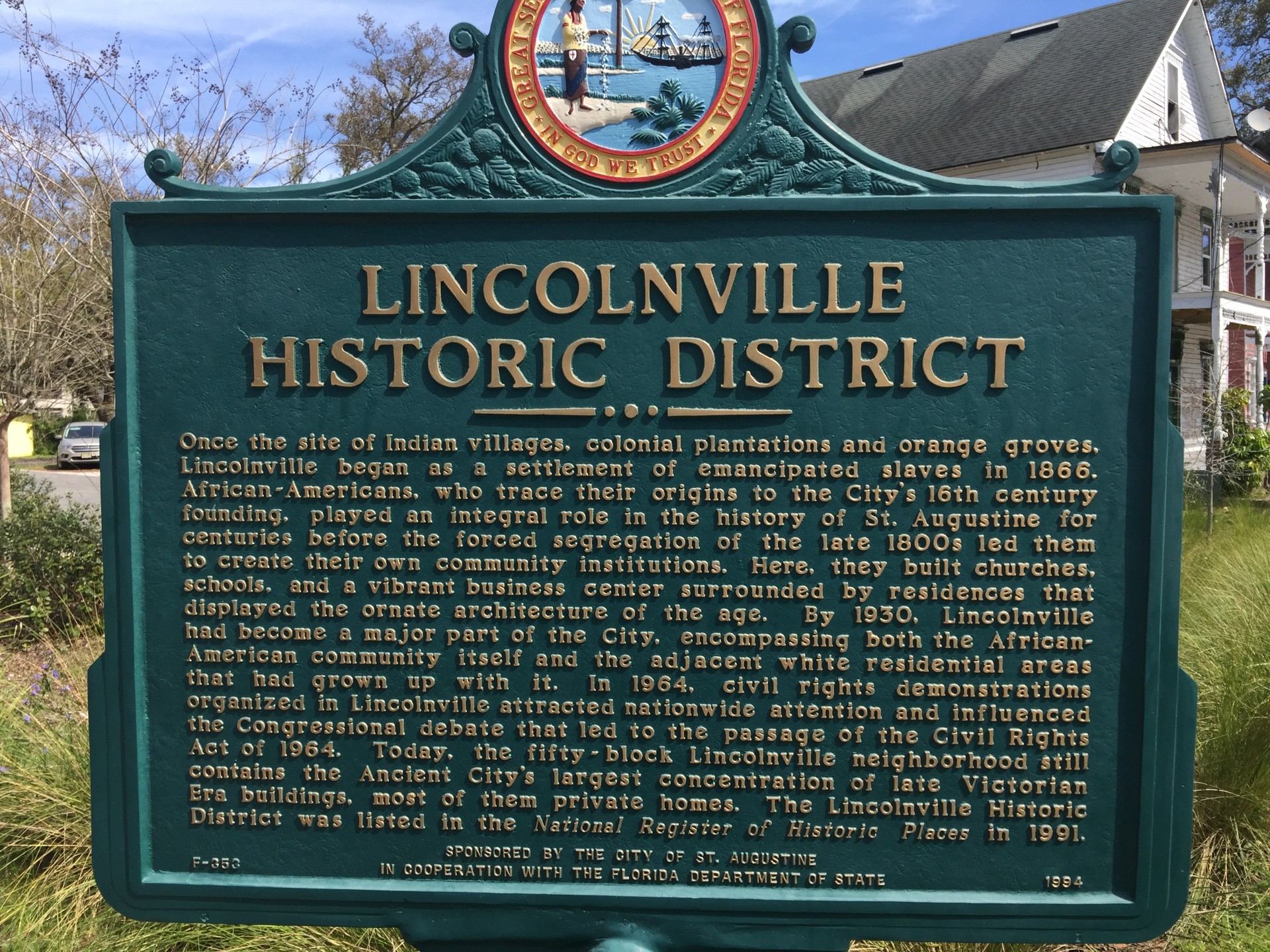
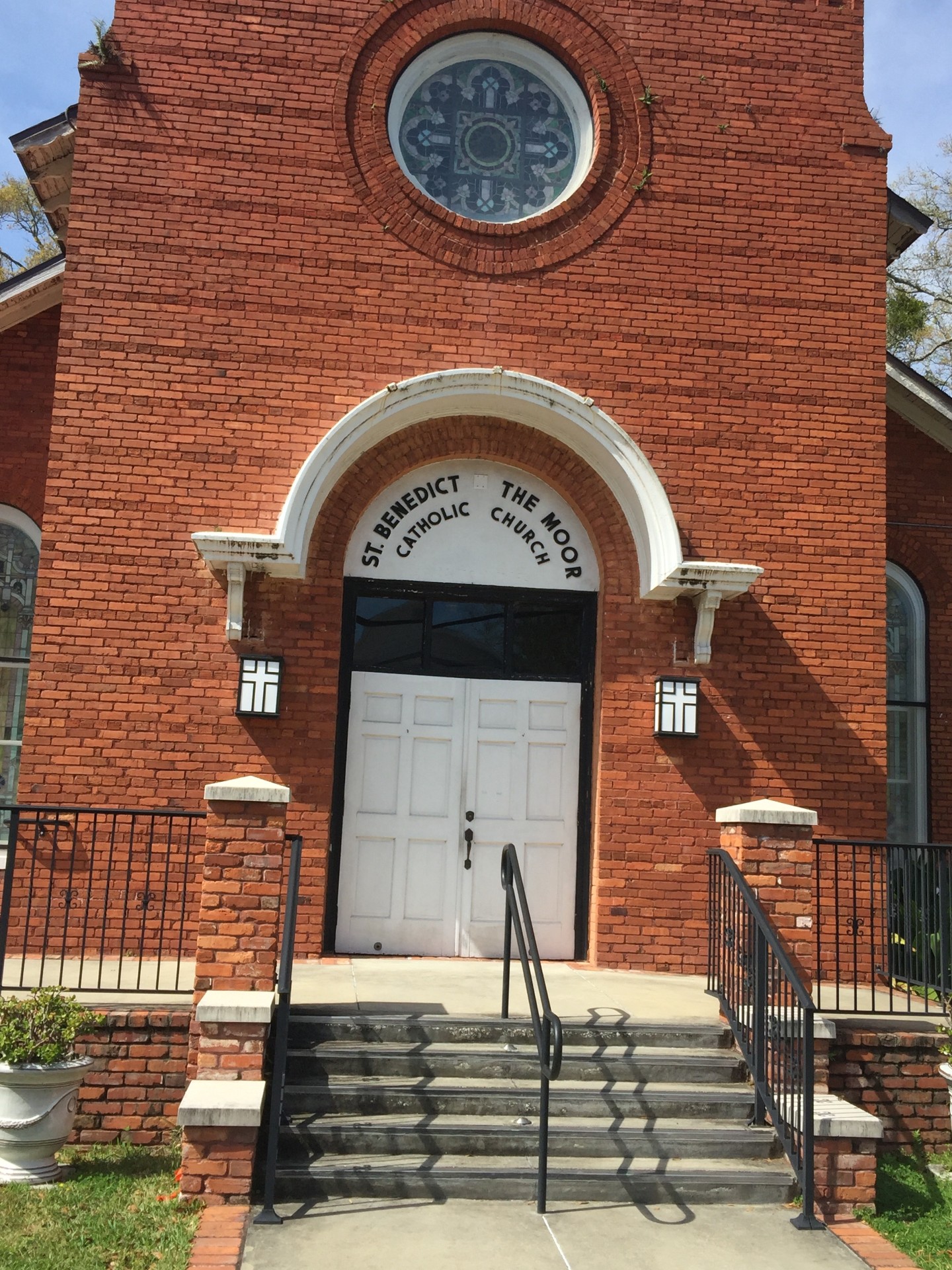
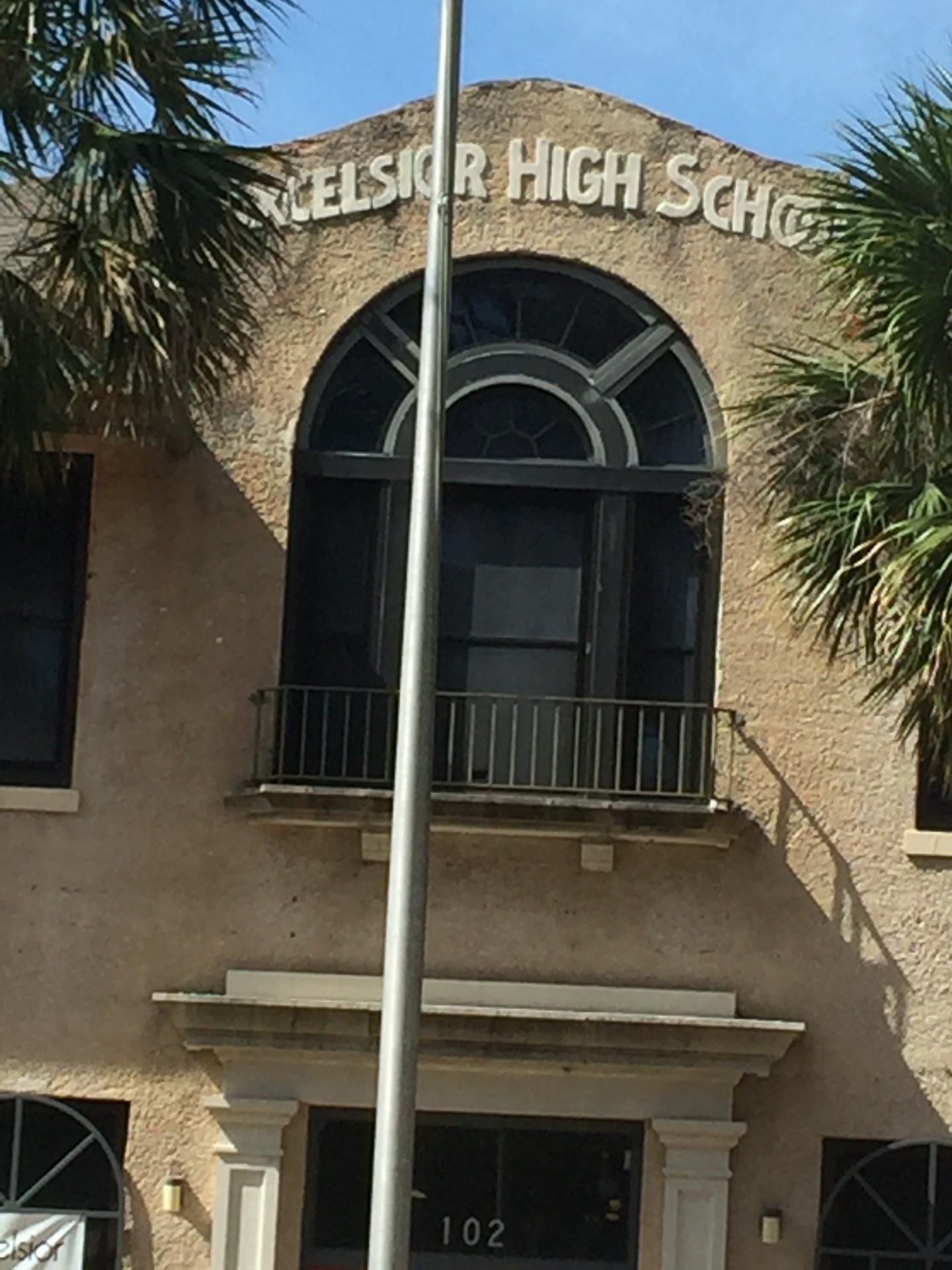
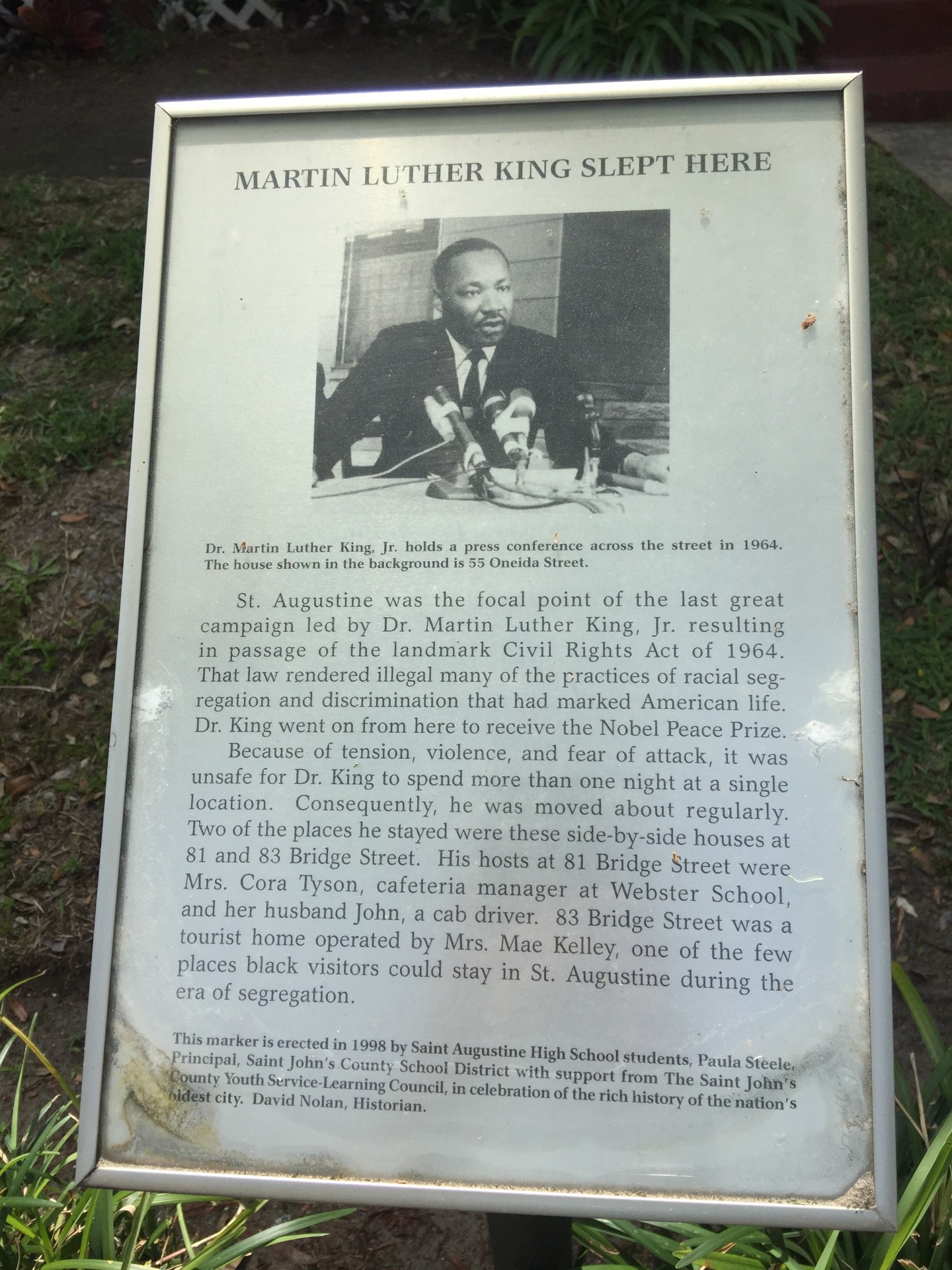
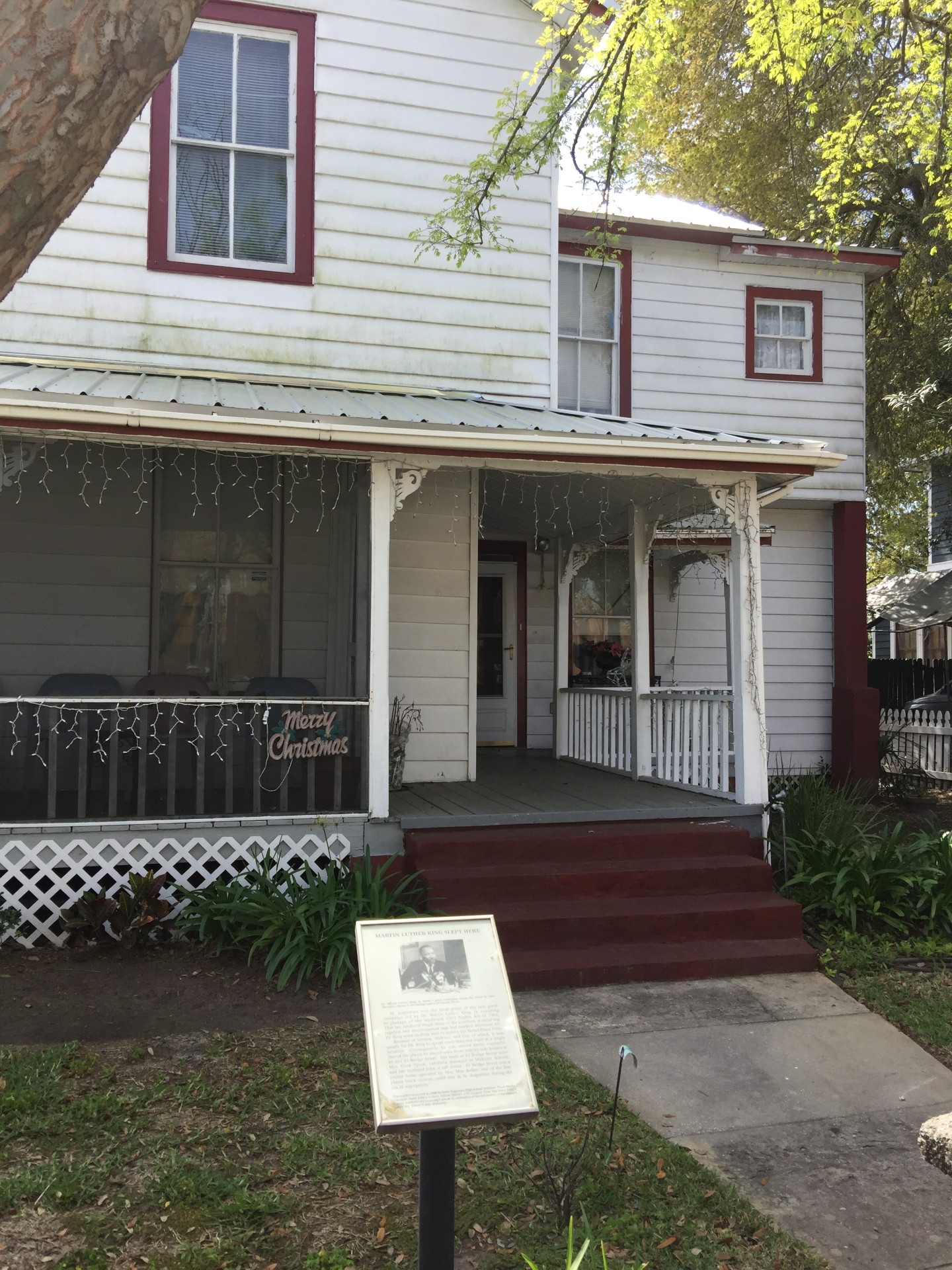
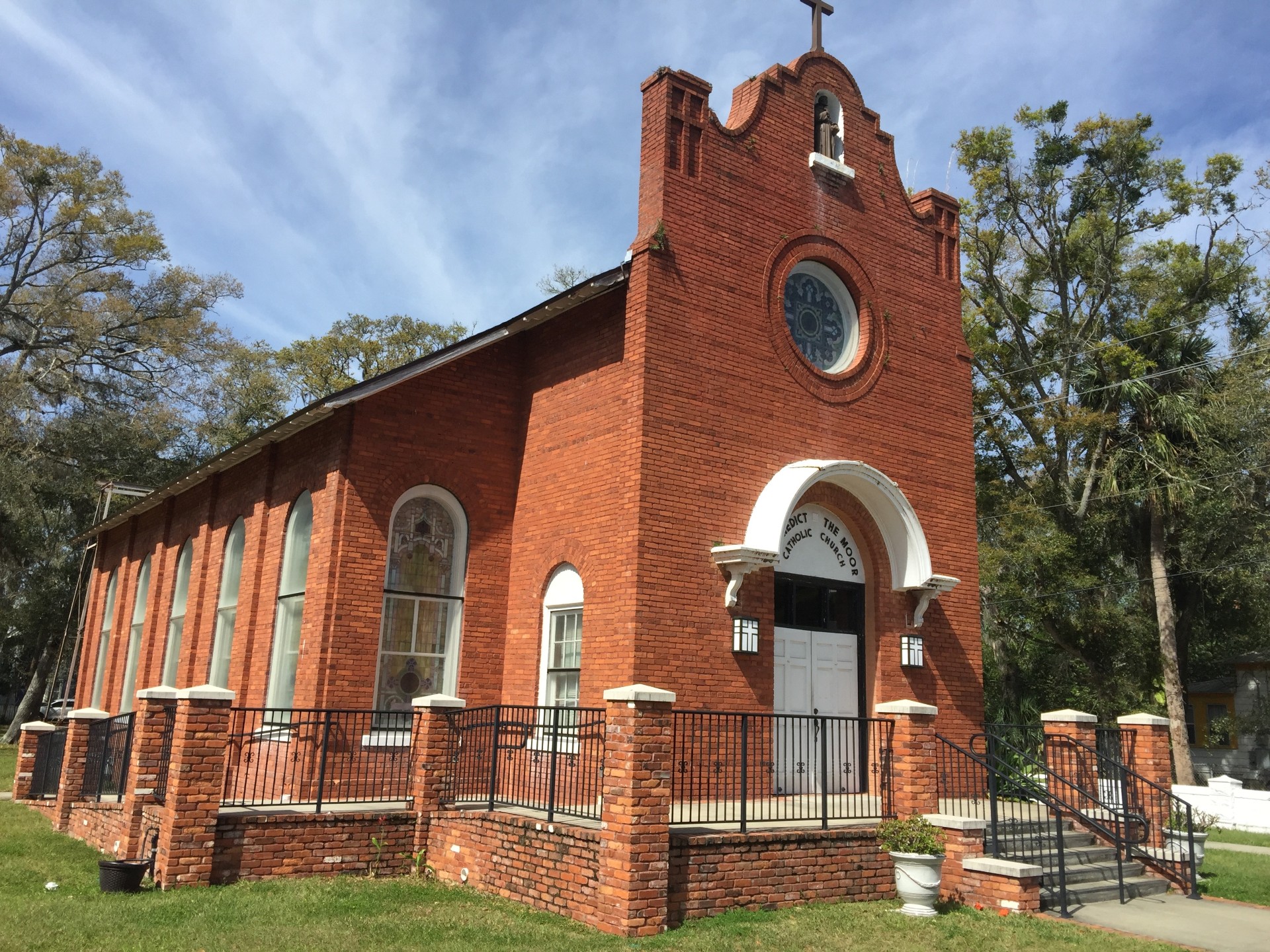
Perhaps the most interesting time we had was visiting the Lincolnville Neighborhood just a little ways behind the Alcazar Hotel. Back in the late 1800’s, this neighborhood began as a “freeman” community, a place where emancipated slaves came to live. The neighborhood grew and thrived with churches, school, stores built. In the 1960’s, Lincolnville attracted nationwide attention for the roll it played in the civil rights movement. Demonstrations were held here. Martin Luther King Jr. stayed here numerous times. He was once arrested at a nearby Monson Motor Hotel when he stopped in to order lunch. The white owner, James Brock, refused to serve him and called the police to arrest Mr. King for trespassing. At a later date, James Brock poured acid into the swimming pool when black and white protesters jumped into the pool. All through this neighborhood are old homes with plaques describing the history. Quite the neighborhood.

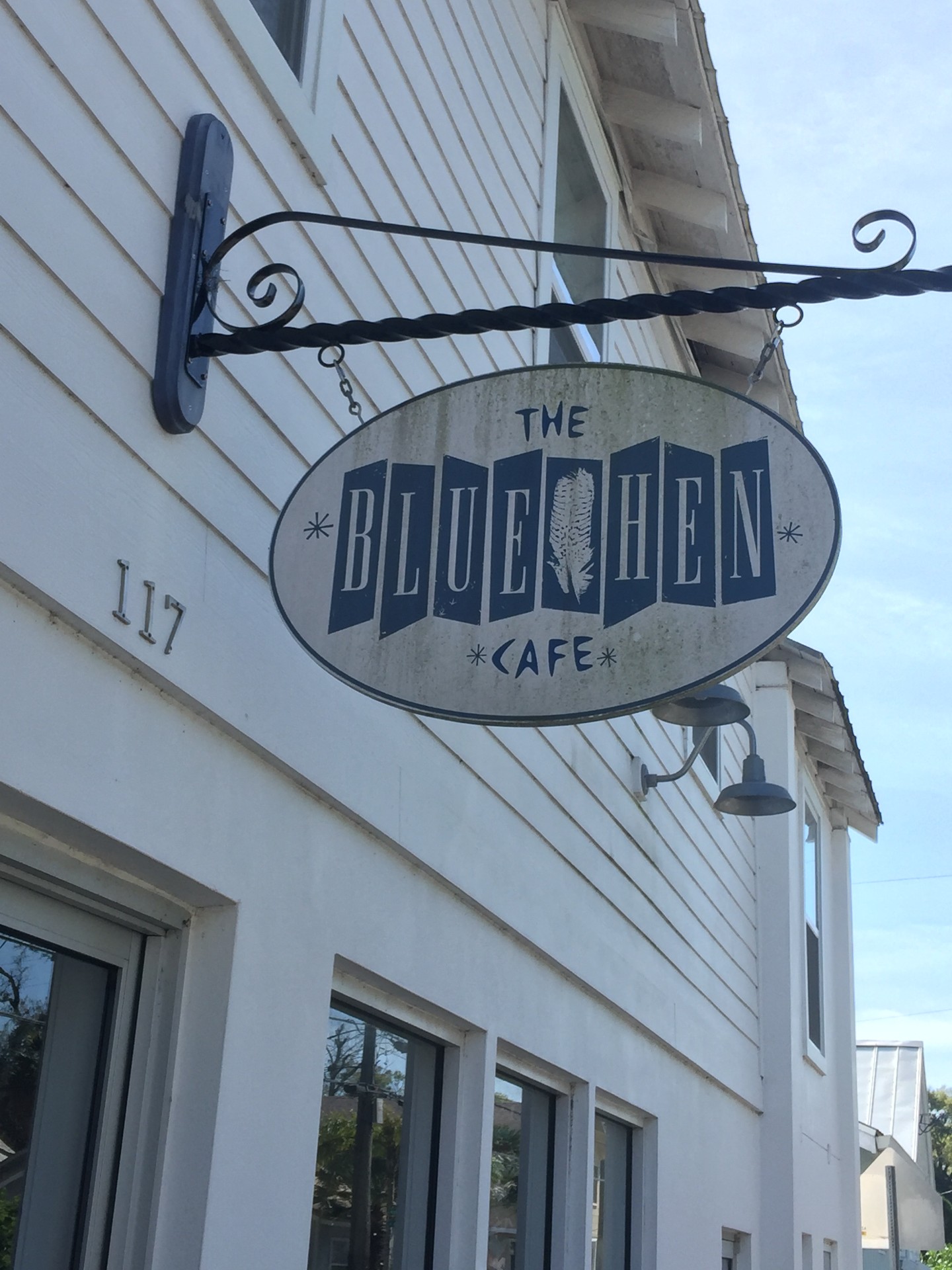
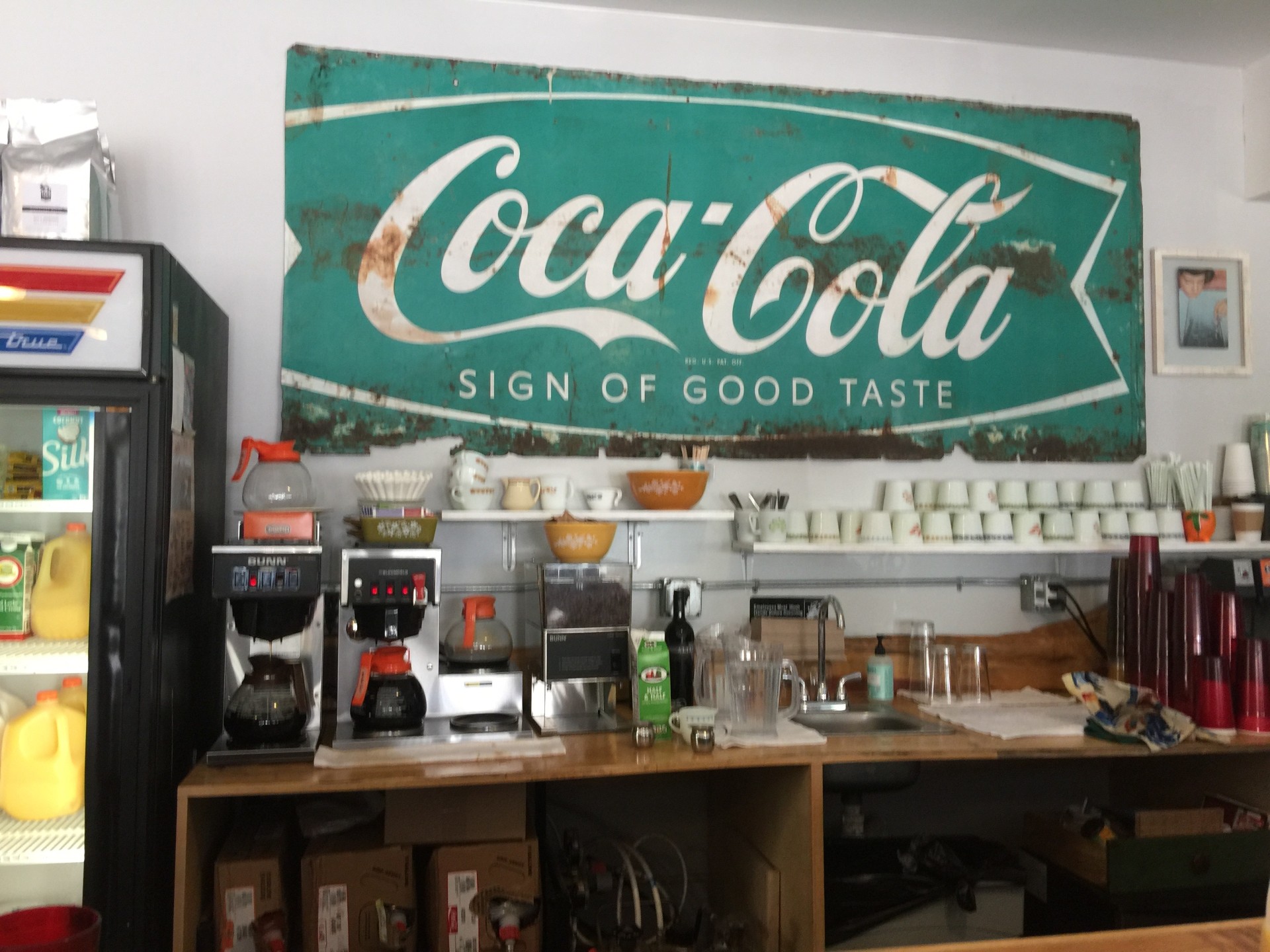
And in this neighborhood we found our favorite little cafe, THE BLUE HEN…where Heidi, who happens to LOVE biscuits and gravy, found the very best here at the Blue Hen. And that is saying something for Heidi has tried buscuits and gravy all over the place.

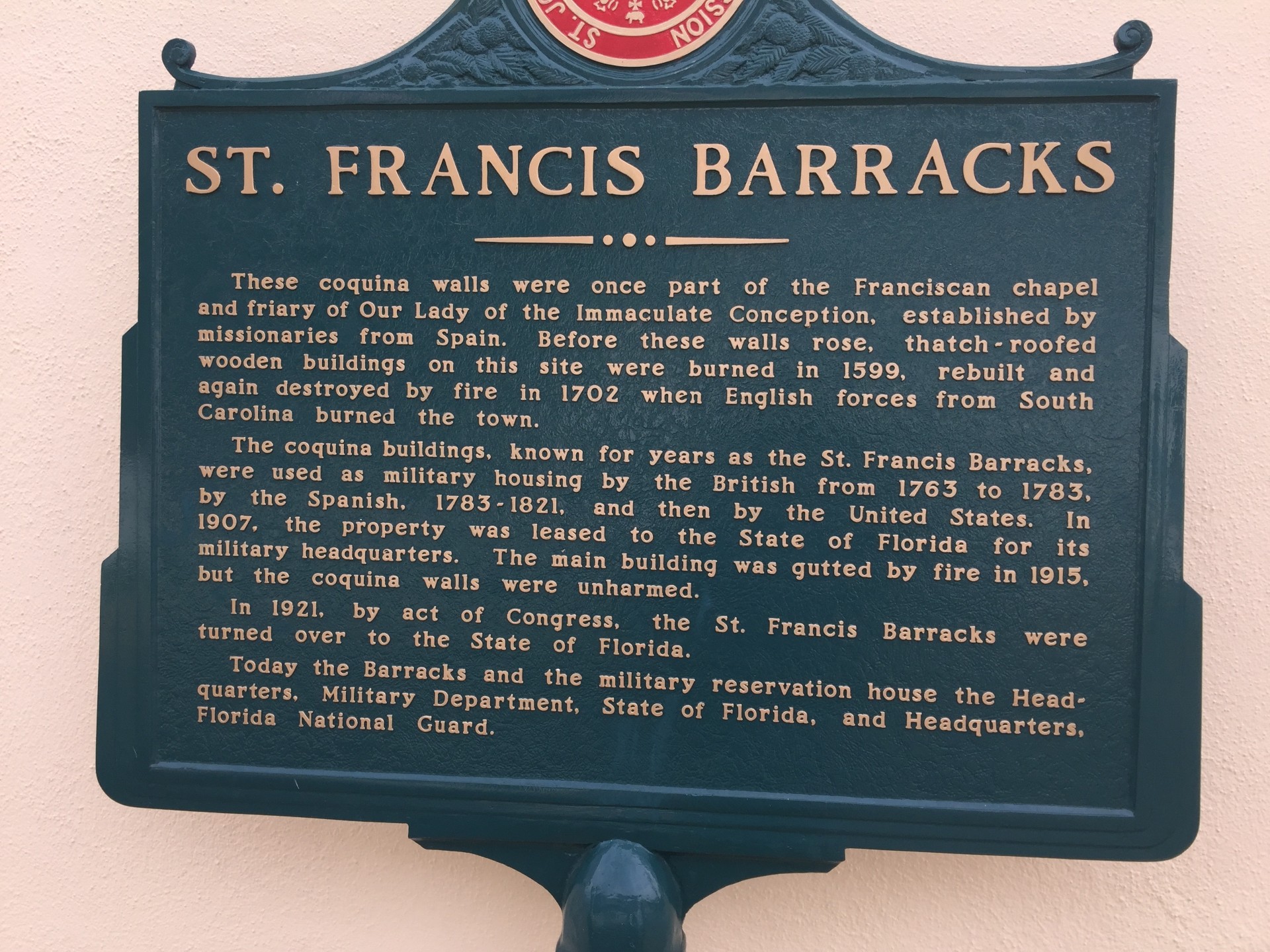
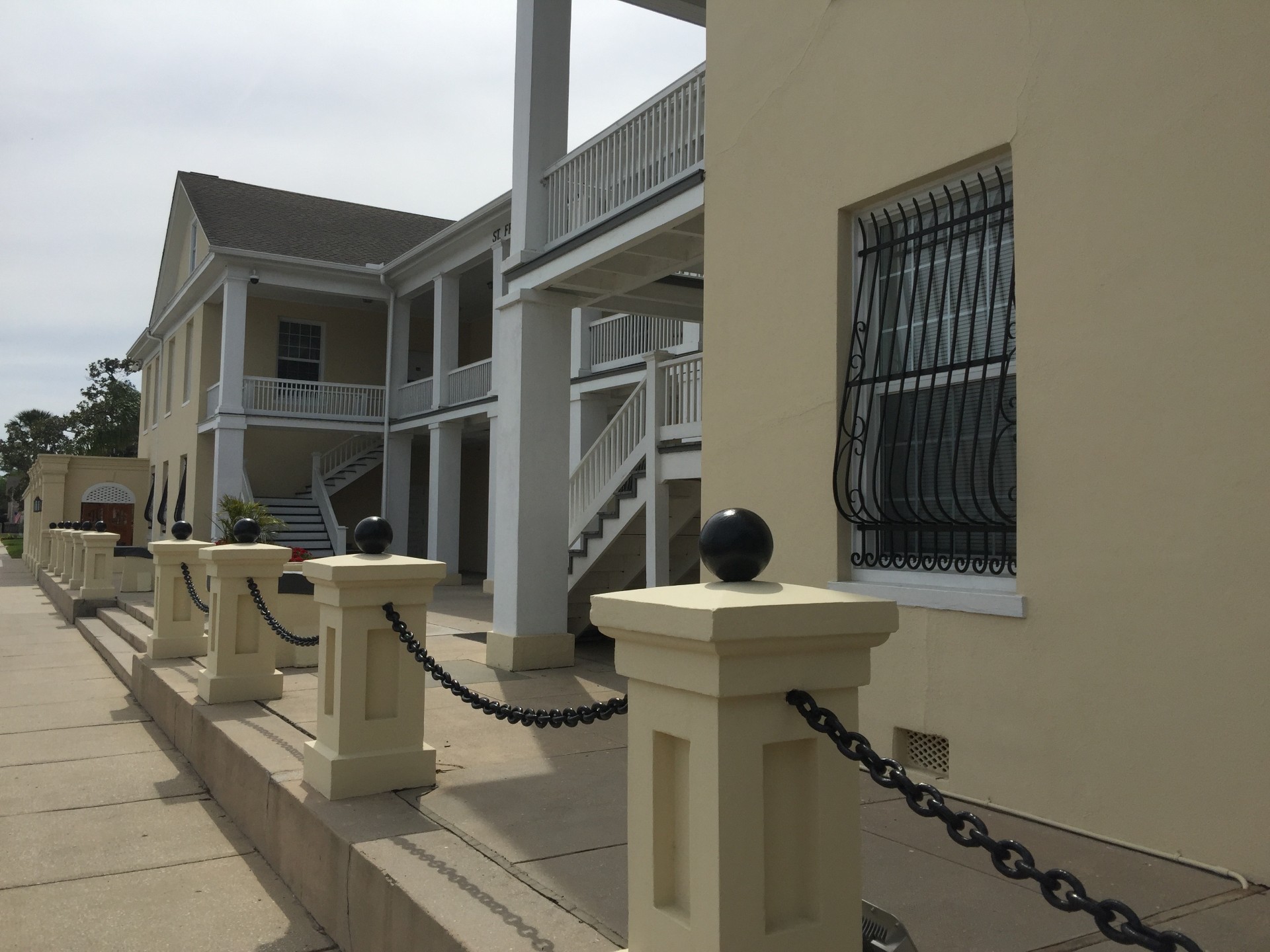
Some other sights we saw…
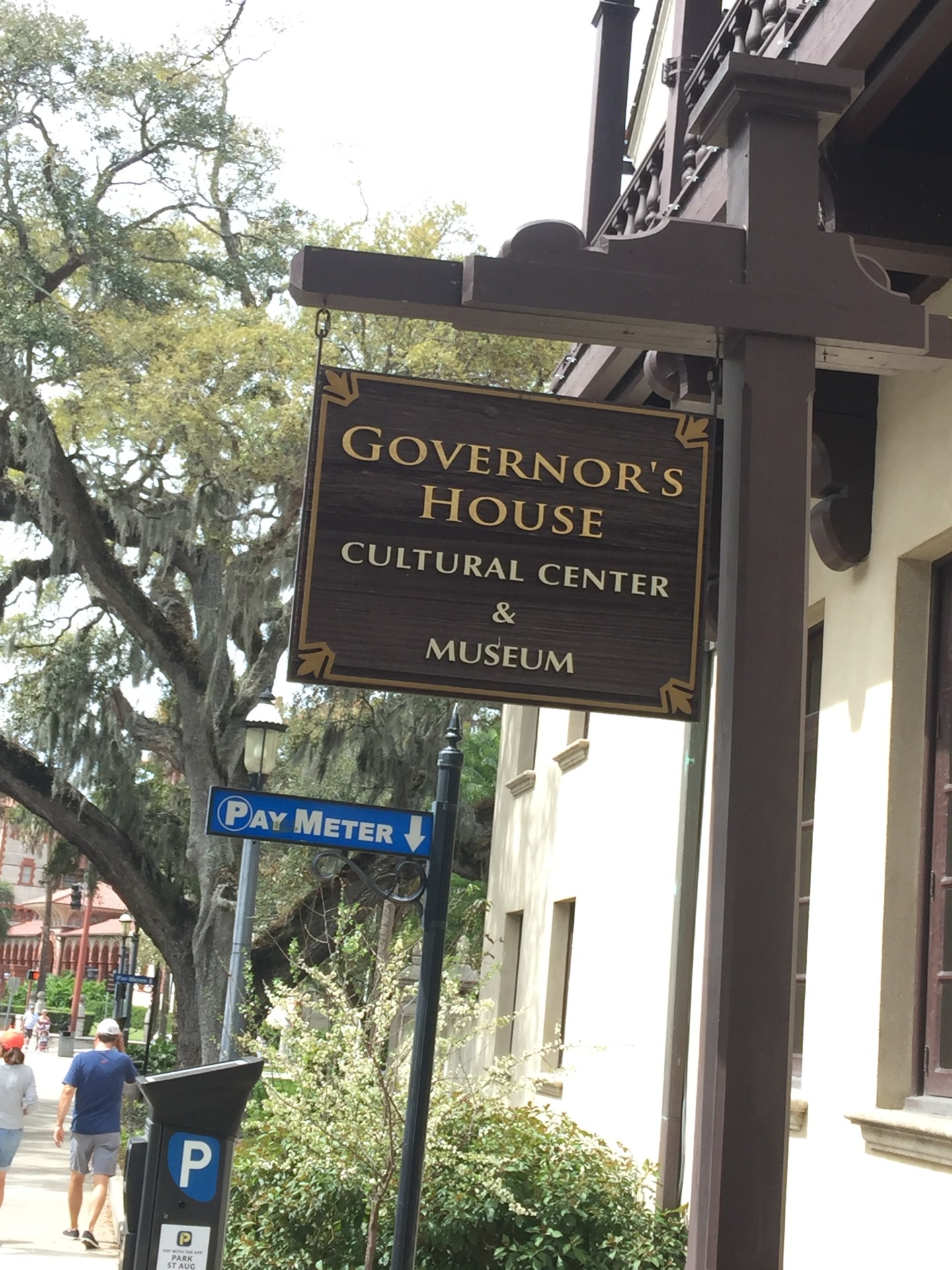
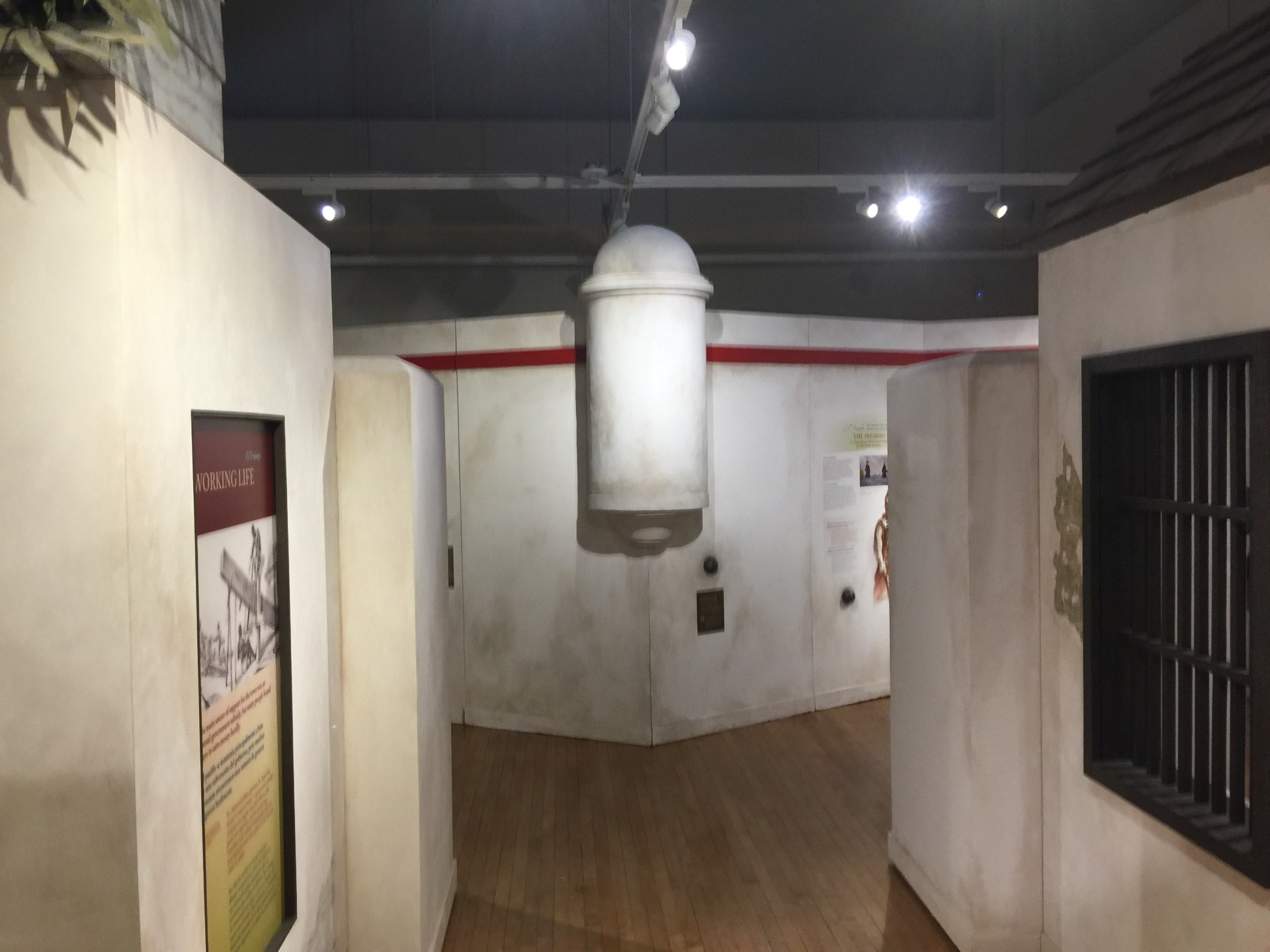
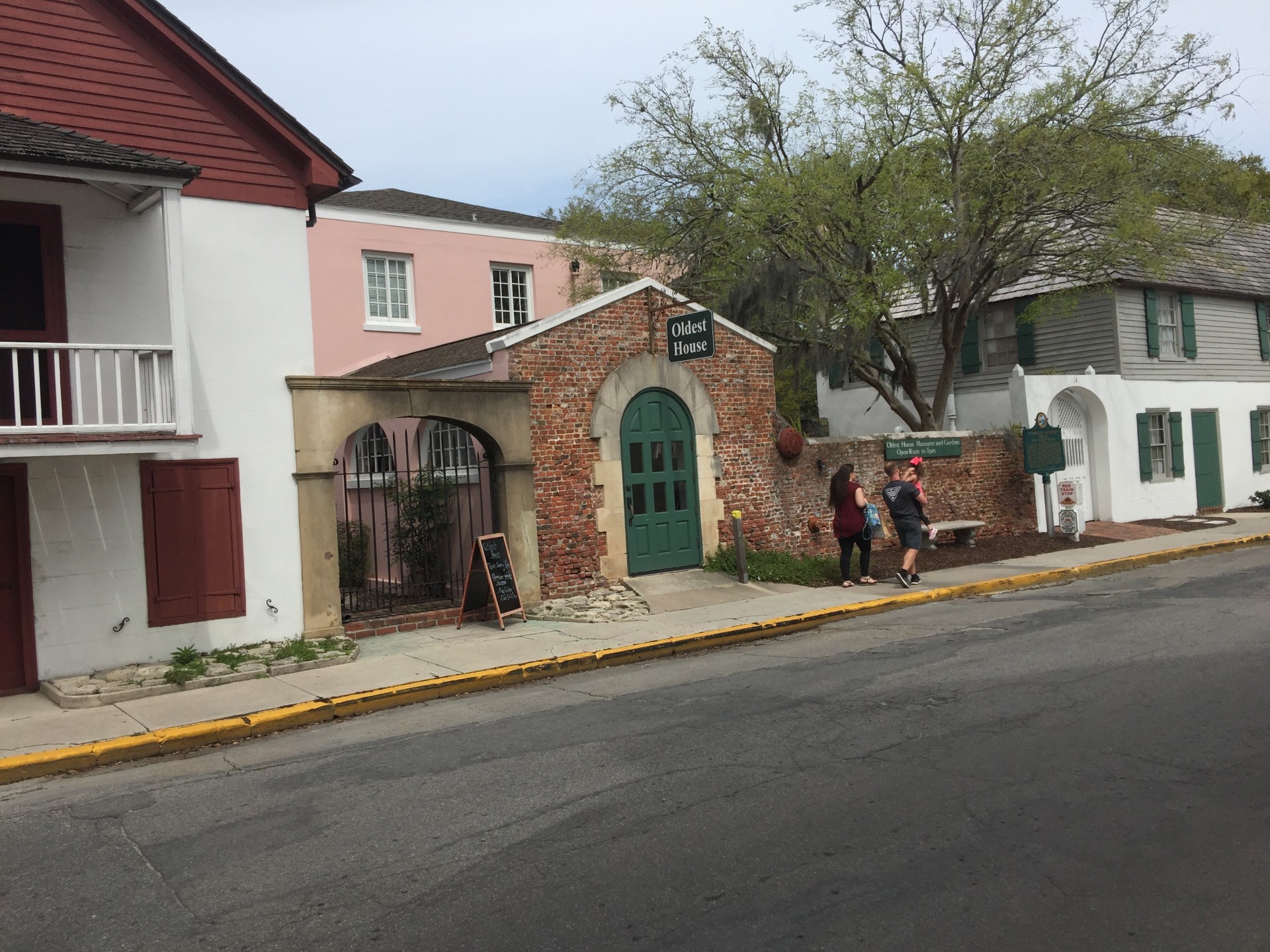

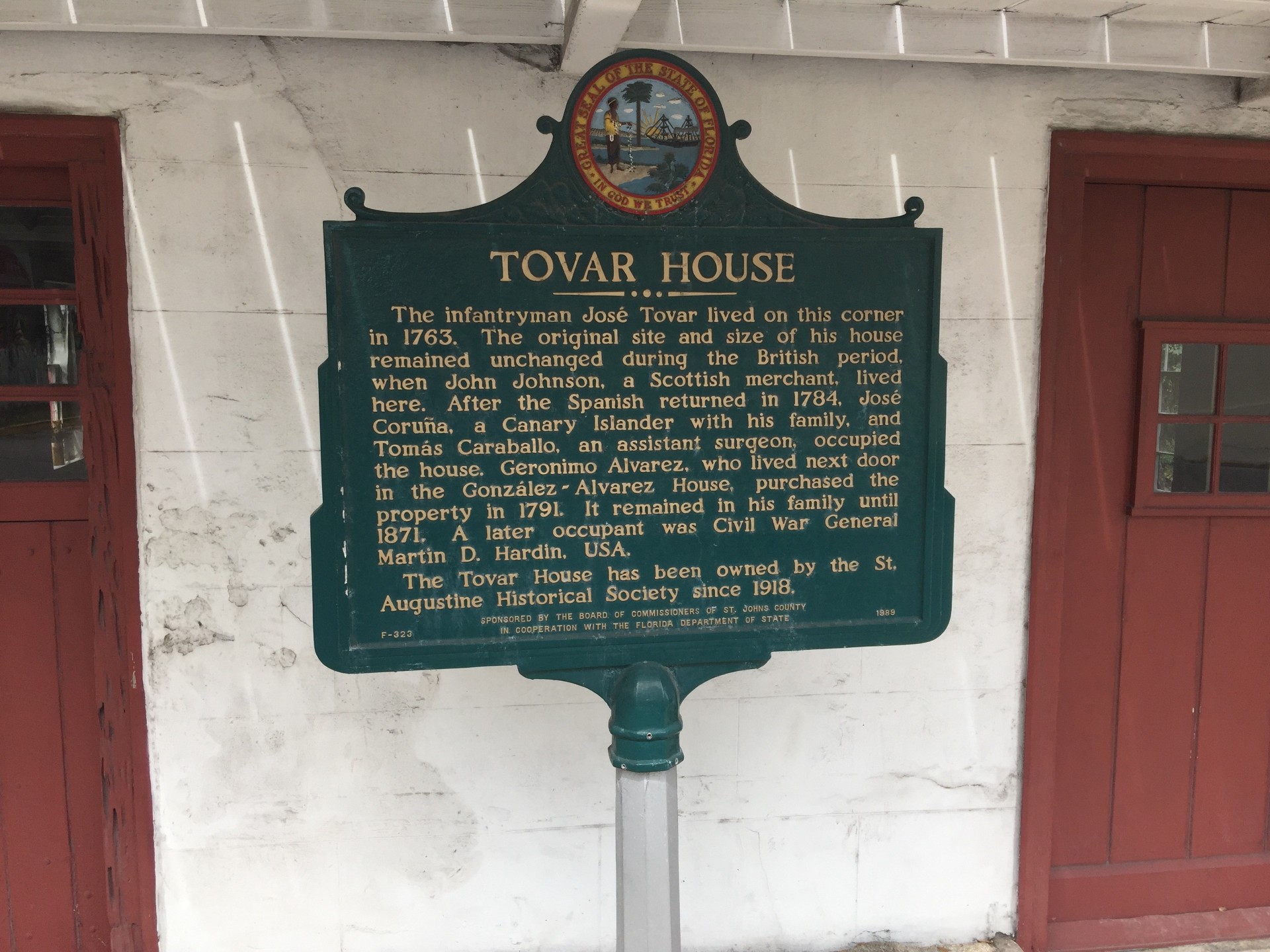

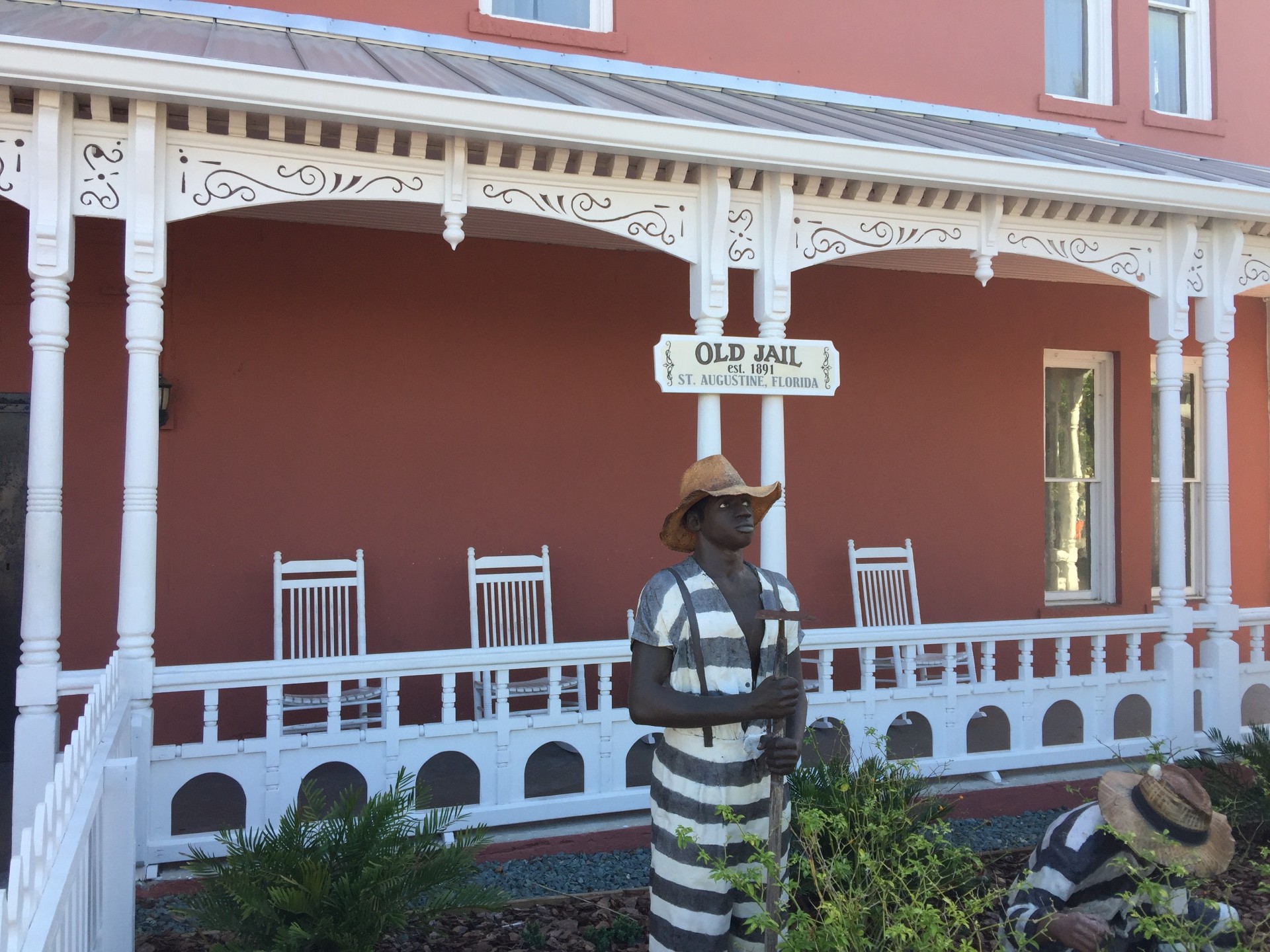
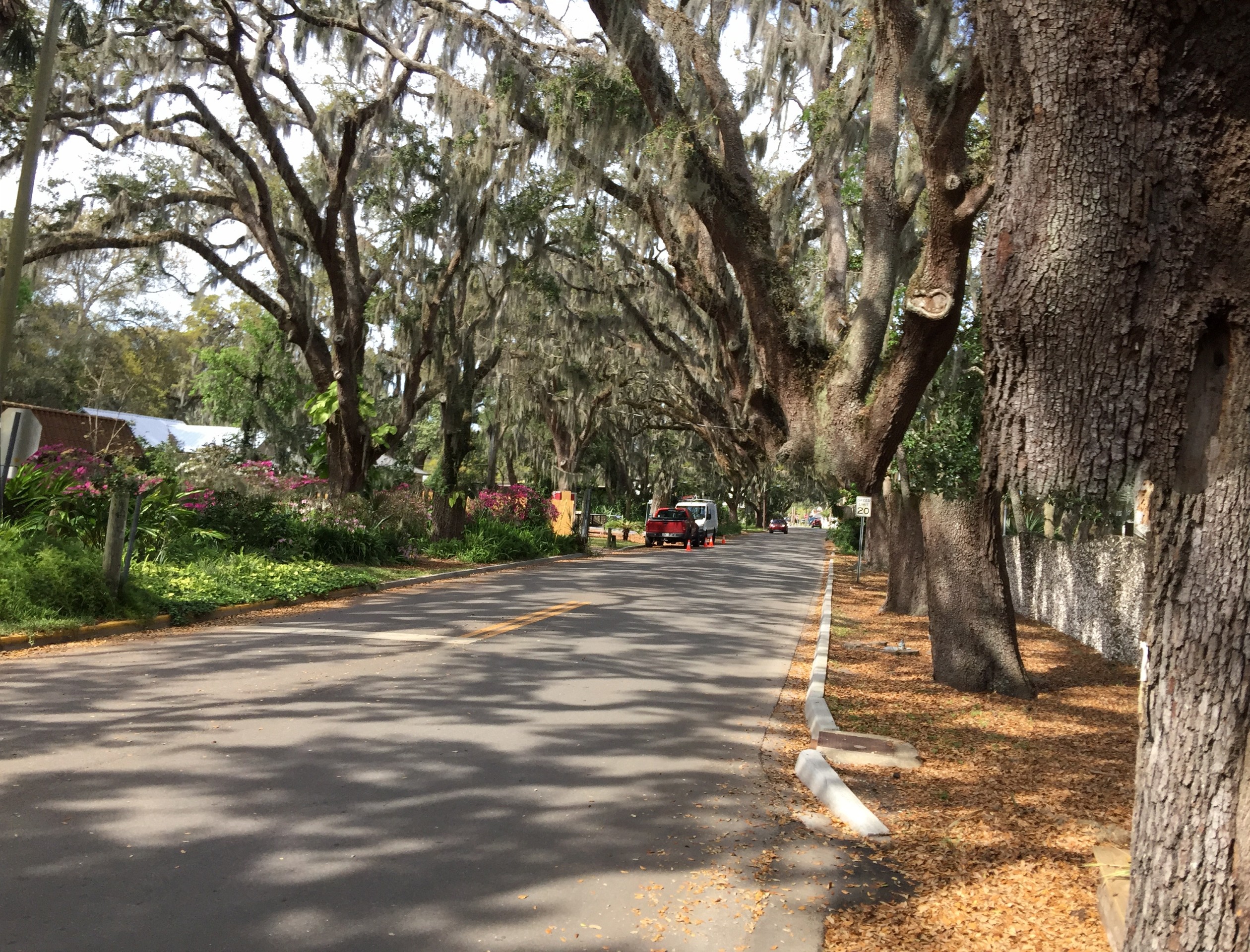
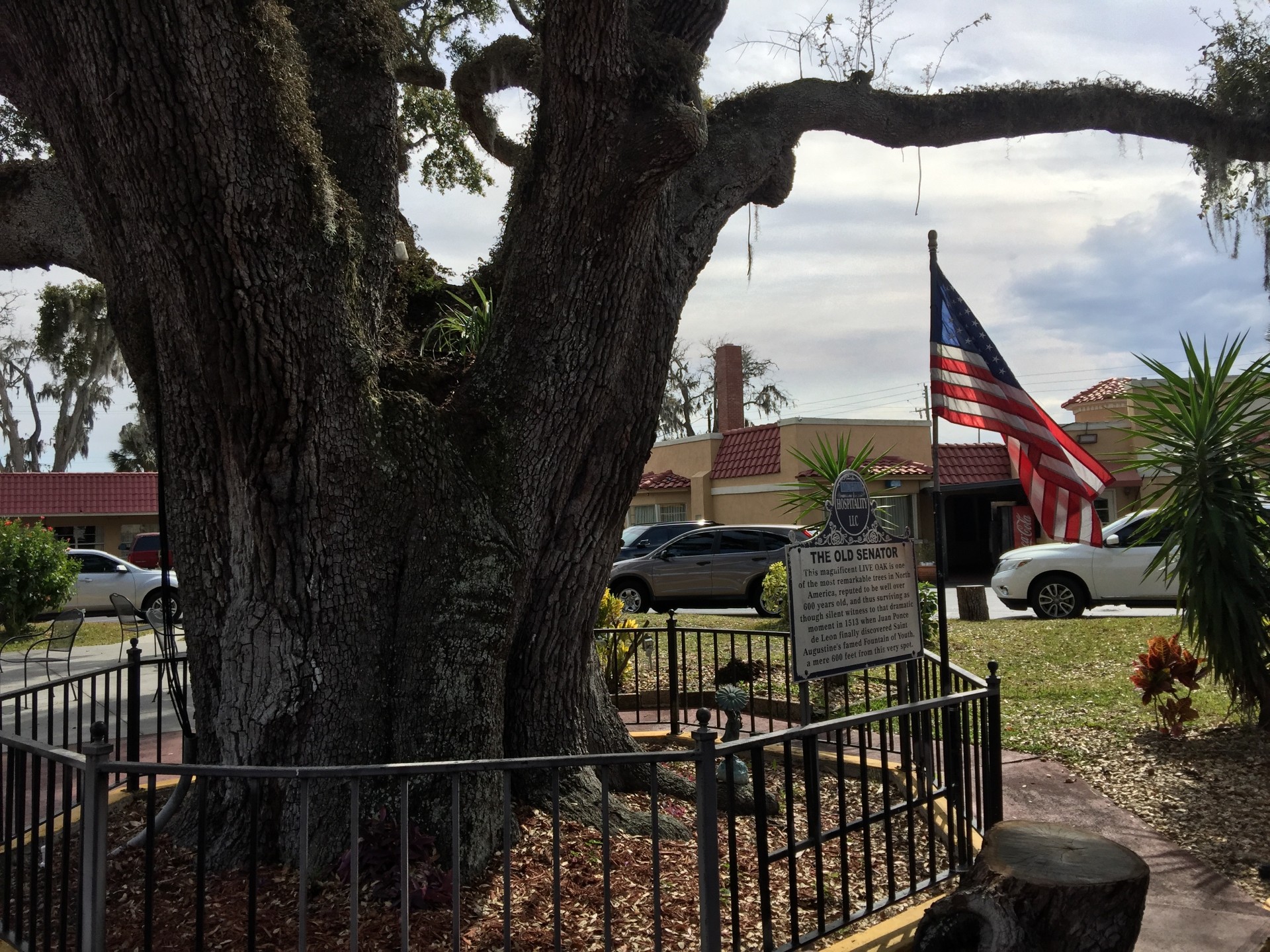
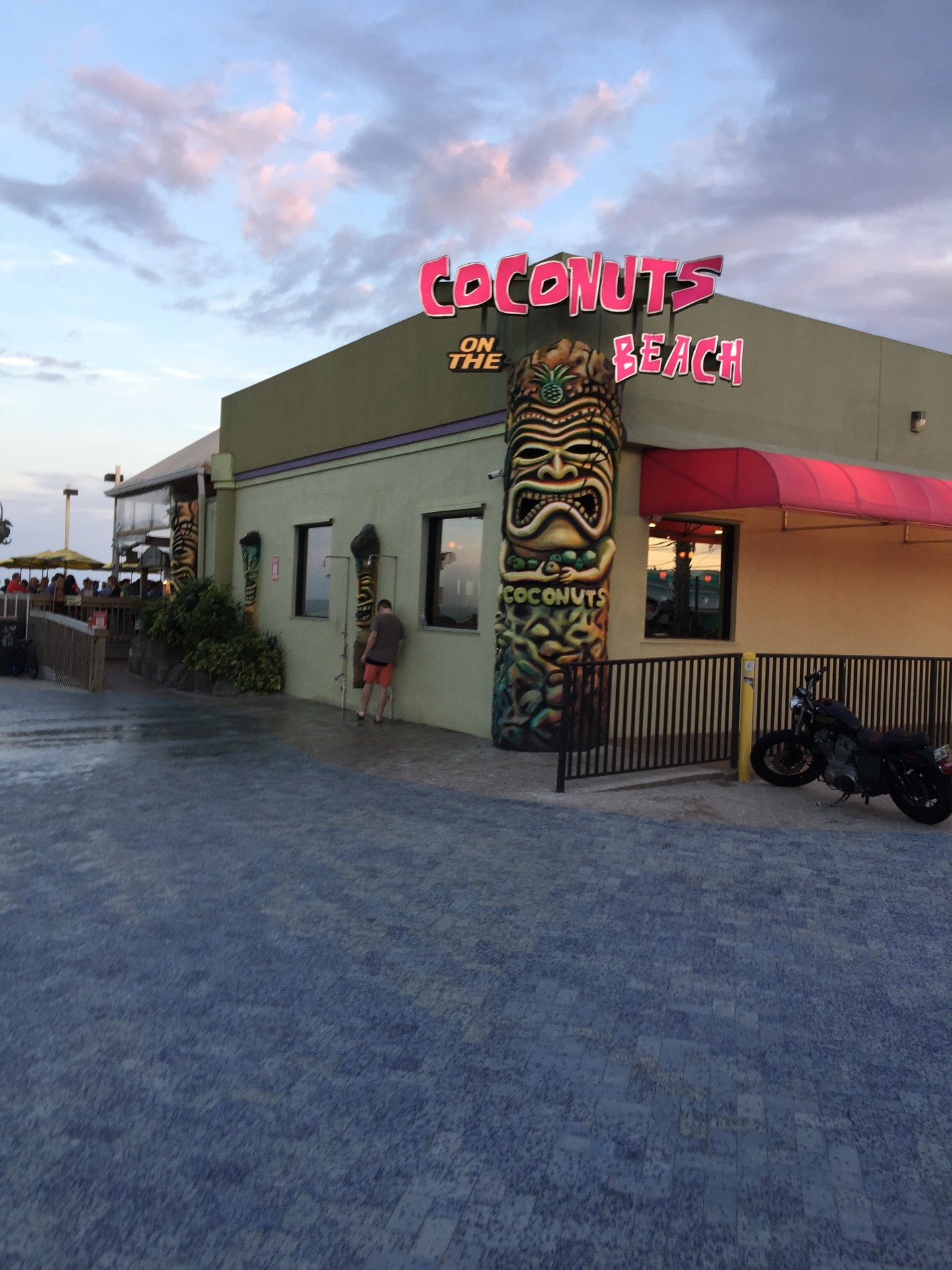
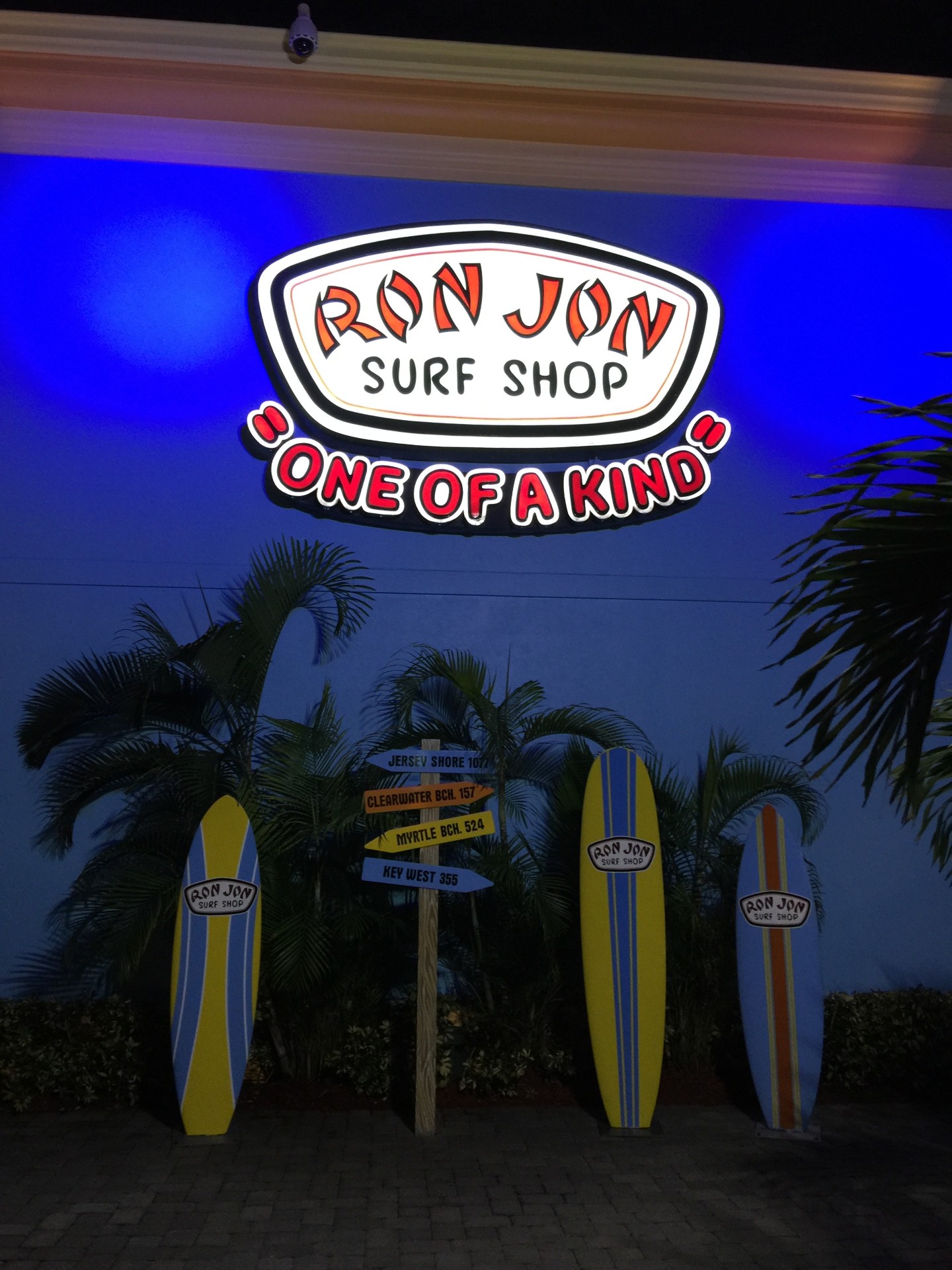
After spending a most enjoyable day at this old town, we headed to Cocoa Beach for a quick shopping trip at Ron Jon Surf shop and dinner at Coconuts on the Beach.

 Our Adventures